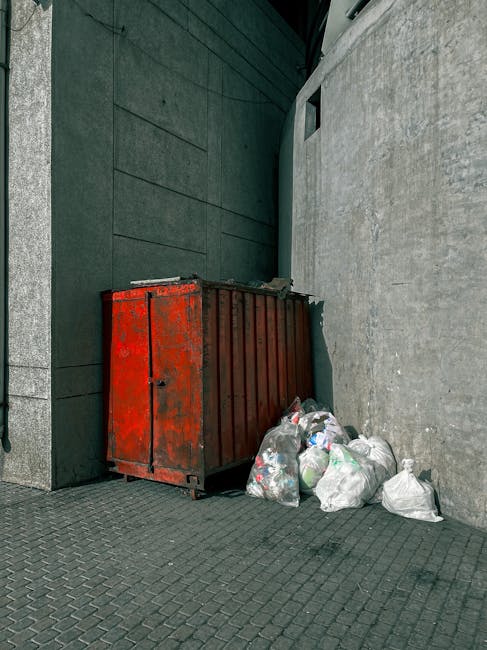
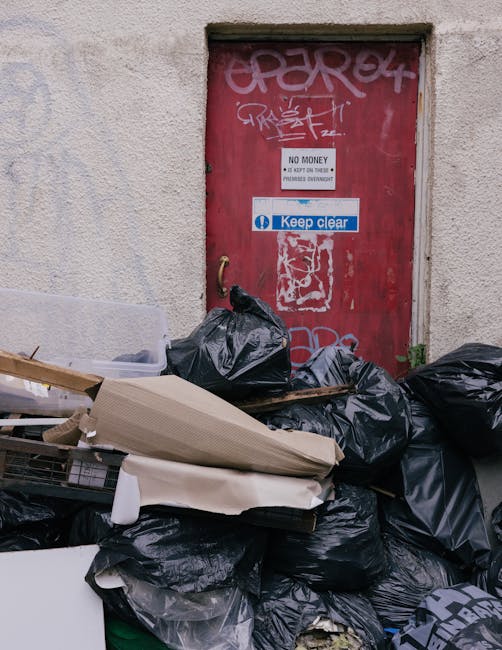
After a flat clearance in Stoke Newington: fast rubbish solutions
If you have just finished a flat clearance in Stoke Newington, the last thing you want is a hallway full of broken furniture, bin bags, and one awkward mattress leaning against the wall. You need rubbish gone quickly, cleanly, and without turning the day into a second job. That is exactly where after a flat clearance in Stoke Newington: fast rubbish solutions come in. The aim is simple: clear the remaining waste, deal with awkward items properly, and leave the place ready for the next step, whether that is handing back keys, preparing for sale, or getting a deep clean started.
This guide breaks down how fast rubbish removal works, what to expect, where the common pitfalls are, and how to choose a sensible, trustworthy service. It also covers practical detail that is easy to miss when you are in the middle of moving, tidying, or chasing a deadline. Truth be told, once the flat is empty, the small stuff can still be the thing that delays everything.
Table of Contents
- Why after a flat clearance in Stoke Newington: fast rubbish solutions matters
- How after a flat clearance in Stoke Newington: fast rubbish solutions works
- Key benefits and practical advantages
- Who this is for and when it makes sense
- Step-by-step guidance
- Expert tips for better results
- Common mistakes to avoid
- Tools, resources and recommendations
- Law, compliance, standards, and best practice
- Options, methods, or comparison table
- Case study or real-world example
- Practical checklist
- Conclusion
- Frequently asked questions
Why after a flat clearance in Stoke Newington: fast rubbish solutions matters
Flat clearances are rarely just about moving possessions out of a property. There is usually a second layer: broken chairs, bags of mixed waste, old blinds, bits of carpet, packaging, and the kind of random household clutter that seems to multiply in the final week. In Stoke Newington, where many flats sit in converted buildings, mansion blocks, and narrow residential streets, speed matters because access can be tight and neighbours do not love waste sitting around for long.
Fast rubbish solutions matter for a few practical reasons:
- End-of-tenancy deadlines: You may need the property cleared before checkout, cleaning, or inventory checks.
- Sale or refurbishment timelines: A delay in waste removal can hold up contractors, decorators, or estate agents.
- Shared building access: Communal hallways and lifts need to stay clear for residents.
- Health and safety: Loose rubbish, sharp items, and heavy bags create obvious trip and lifting risks.
There is also a more human reason. When a flat has been lived in for years, clearing the final rubbish can feel oddly emotional. You may be dealing with a move, a bereavement, or simply the end of a long chapter. A reliable rubbish solution should take pressure off, not add to it.
For readers who want to understand the broader service context, the main site at Office Clearance Hackney gives a good starting point, while their pricing and quotes information can help you compare options early without overcommitting.
How after a flat clearance in Stoke Newington: fast rubbish solutions works
In simple terms, the process is: assess the waste, plan access, remove items safely, separate what can be reused or recycled, and leave the space tidy. Easy to say. A bit less easy when the stairwell is narrow and the sofa has clearly seen better days.
A good service usually follows a fairly straightforward workflow:
- Initial description: You explain what needs clearing, roughly how much there is, and whether anything is bulky, heavy, or awkward.
- Quote or estimate: A proper provider will base the price on the type and amount of waste, access, labour, and disposal requirements. If you need clarity on that part, the quote and pricing guide is worth reading before you book.
- Scheduling: The team agrees a collection slot, often with a focus on same-day or next-day availability when urgency matters.
- On-site removal: Waste is lifted, sorted, and loaded carefully to avoid damage to walls, floors, or shared areas.
- Responsible disposal: Recyclables, reusable items, and general waste are handled separately where possible.
In a real Stoke Newington flat, that might mean moving a dismantled wardrobe from a top-floor conversion, carrying bagged waste down a narrow staircase, and making sure the communal entrance is left spotless. Small detail, big difference.
The better services are not just fast; they are organised. That means clear communication, sensible timing, and proper handling of the waste from the moment it leaves the flat.
Key benefits and practical advantages
Fast rubbish removal after a flat clearance is not only about convenience. It can improve the whole process in ways that are easy to miss until you are in the middle of it.
- Less stress on moving day: You avoid that last-minute scramble with overflowing bin bags.
- Quicker property handover: A cleared flat is easier to clean, inspect, and return.
- Reduced manual lifting: Heavy rubbish and awkward items are removed by people used to handling them.
- Cleaner communal spaces: Waste does not linger in shared corridors or outside the building.
- Better recycling outcomes: Materials can be separated instead of all going into mixed waste.
There is also a practical money angle. When a clearance is handled properly the first time, you reduce the risk of missed items, extra trips, or a rushed clean-up fee later. That part is not glamorous, but it adds up.
Expert summary: If your flat is already empty but the rubbish is still blocking the finish line, a fast clearance service is often the most efficient way to close the loop. The key is not just speed; it is speed with the right handling, the right disposal route, and no mess left behind.
For sustainability-minded readers, it helps that the company also publishes information on recycling and sustainability, which is a good sign that disposal is treated as more than just "take it away and hope for the best."
Who this is for and when it makes sense
This kind of service is useful for a wide range of people, and not only when a flat is packed to the ceiling. In fact, some of the most common jobs are for properties that are almost clear already.
You may need fast rubbish solutions if you are:
- Ending a tenancy and need the final waste removed before inspection
- Preparing a flat for sale or new tenants
- Helping a family member clear a home after a major life change
- Managing leftover rubbish after a DIY refresh or furniture change
- Dealing with bulky items that local bins will not take
- Trying to clear a property quickly between cleaners, decorators, or contractors
It also makes sense when access is difficult. Stoke Newington has plenty of properties where you cannot simply park outside and dump everything into a van in five minutes. If you have narrow roads, permit considerations, or a shared entrance, a team that knows how to work tidily and efficiently is worth a lot.
And if you are unsure whether the job is more of a rubbish collection or a fuller clearance, start with a straightforward enquiry. A brief description often tells you enough to avoid wasting time.
Step-by-step guidance
If you want the process to go smoothly, a little preparation helps more than people expect. Not a huge amount. Just enough to keep things moving.
1. Separate what stays from what goes
Before the team arrives, walk through the flat and label anything you want to keep. This is especially helpful when rooms are half-packed or when items are grouped together in storage corners. One forgotten folder in the wrong pile can become a headache later.
2. Flag hazardous or awkward items early
Old paint, batteries, cleaning chemicals, fluorescent tubes, and certain electricals may need special handling. Tell the provider in advance. Do not leave them as an afterthought. They can affect both disposal planning and pricing.
3. Check access in practical terms
Think about stairs, lifts, parking, loading space, and any building rules. If the only parking is a little way down the road, say so. It sounds minor, but these details shape the timing and manpower needed.
4. Confirm the scope clearly
Is it a few bags and a wardrobe, or a full flat worth of mixed waste? The more specific you are, the more accurate the quote will be. A good provider should be comfortable asking questions, not just nodding and hoping for the best.
5. Make sure disposal is legitimate
Responsible rubbish removal should never feel vague. Ask how items are handled, whether recycling is part of the process, and how the service deals with reusable goods. If a company struggles to answer, that is a small red flag. Not a dramatic one, but still a flag.
6. Do a final walk-through
Once the waste is removed, check cupboards, corners, balconies, and under sinks. In our experience, the forgotten item is usually the one left behind in a strange place - a cable here, a broken lamp there, nothing major, just annoying.
If you want to understand how trust and operational standards are handled, their health and safety policy and insurance and safety information are sensible pages to review before booking.
Expert tips for better results
Small habits make a big difference here. The aim is not perfection. It is to avoid delays, extra charges, and "where did that come from?" moments at the end.
- Photograph the waste before quoting: A few clear pictures help a provider judge the volume and access accurately.
- Bundle similar materials together: Cardboard, soft furnishings, and mixed household waste are easier to manage when grouped sensibly.
- Keep pathways open: Clear hallways make removal quicker and safer.
- Be honest about lift access: If there is no lift, say so. It matters.
- Book with enough buffer time: Same-day service is great, but if you are working to a deadline, give yourself a cushion.
One useful habit is to think in terms of "load type" rather than just "clutter." A few bulky items can be more awkward than ten bags of light rubbish. That distinction helps avoid pricing surprises.
And if you care about where your waste ends up, ask about recycling routes before the job starts, not after. The answer should be clear and reassuring, not vague.
Common mistakes to avoid
Let's face it, most problems with fast rubbish solutions come from avoidable confusion. Nothing dramatic. Just overlooked details that turn into hassle.
- Leaving the booking too late: Last-minute requests can still work, but they reduce choice.
- Underestimating the amount of waste: Two "small piles" often become three van loads.
- Not checking restricted items: Some materials need special care or separate handling.
- Ignoring access constraints: Tight stairwells and loading restrictions can change the job shape.
- Choosing only on price: The cheapest option is not always the cleanest or most reliable.
Another common mistake is assuming every removal service does the same thing. They do not. Some are better at bulky furniture, some are better at mixed waste, and some are strongest on fast turnarounds. Matching the service to the job saves time and money.
If something feels unclear, ask. Simple question. Simple answer. That is usually the best sign you are dealing with a professional setup.
Tools, resources and recommendations
You do not need specialist tools to prepare for a rubbish removal, but a few simple things make the process smoother.
- Marker pens or labels: Useful for separating keep, donate, recycle, and remove.
- Heavy-duty bags: Better for dense mixed waste than thin kitchen bags.
- Gloves: Handy if you are sorting through dusty storage or old loft items.
- Phone camera: Good for documenting items, access routes, and any special conditions.
- Measurement app or tape measure: Helpful for bulky items like wardrobes, mattresses, and desks.
For administrative peace of mind, it is sensible to look at useful support pages too. Their payment and security guidance can help if you want to know how payment is handled, while the accessibility statement may be useful if anyone involved in the booking or clearance has access needs.
If you are still comparing providers, ask for written confirmation of what is included. The clearer the scope, the fewer surprises later. That sounds obvious, but it saves a lot of back-and-forth.
Law, compliance, standards, and best practice
Rubbish removal in the UK needs to be handled responsibly. While the exact obligations depend on the waste type and the service provider, it is reasonable to expect lawful disposal, safe handling, and honest communication about what happens to the items collected.
For the customer, the most practical best-practice points are straightforward:
- Use a properly insured provider: Especially important in shared buildings or where heavy lifting is involved.
- Check how waste is sorted: Good services aim to separate recyclable materials where feasible.
- Keep records if needed: If you are clearing a rented property or managing an estate, it helps to keep booking confirmations and receipts.
- Disclose restricted items: Certain waste streams need special handling or separate arrangements.
It is also wise to be mindful of safety in stairwells, entrances, and loading areas. A tidy, controlled clearance reduces the chance of damage or injury. The company's health and safety approach and safety cover information can help you judge whether that side has been thought through properly.
On the sustainability side, reuse and recycling are increasingly part of good practice rather than a nice extra. If items can be diverted away from landfill or separated for recycling, that is usually the better route, provided it is done lawfully and sensibly.
A small note on trust: if a provider is open about pricing, disposal, insurance, and complaints handling, that usually tells you more than any polished sales line ever could. Their complaints procedure is also worth checking if you like knowing there is a clear fallback if something goes wrong.
Options, methods, or comparison table
Different rubbish solutions suit different situations. A flat clearance after a move-out is not the same as a one-off bulky waste collection, and the best option depends on volume, urgency, and access.
| Option | Best for | Pros | Things to watch |
|---|---|---|---|
| Same-day rubbish removal | Urgent clear-outs, final tenancy deadlines | Fast turnaround, minimal waiting | May require flexible timing and accurate description of waste |
| Scheduled flat clearance | Planned moves, sale prep, staged clearances | Better planning, easier access coordination | Requires booking in advance |
| Bulky item collection | Mattresses, wardrobes, sofas, single large items | Simple for specific items, often quicker to organise | Less suitable for mixed or large-volume waste |
| Full flat clearance | Properties needing a near-empty handover | Comprehensive, efficient, one visit can solve most of it | Needs good access details and clearer scope |
If you are not sure which route fits, ask for a quick assessment based on photos. That is often the fastest way to avoid booking the wrong type of service.
Case study or real-world example
Here is a realistic example. A landlord in Stoke Newington has a two-bedroom flat that needs to be turned around between tenancies. The previous occupant has moved out, but there are still three bin bags, a damaged coffee table, an old mattress, some broken shelving, and loose cardboard in the kitchen. Not a huge mountain, but enough to block cleaning and make the place feel unfinished.
The landlord sends photos, flags that the flat is on the second floor, and mentions there is no lift. The provider gives a clear quote, books a morning slot, and arrives with the right equipment. The waste is taken out carefully so the stairwell is not scuffed up, and the flat is left ready for cleaning that afternoon. Simple, but effective.
What made the difference?
- The waste was described accurately.
- Access details were shared up front.
- The team knew it was a turnaround job, so timing mattered.
- Nothing was left until the last minute.
That kind of job may sound ordinary, but ordinary is exactly what you want here. No drama, no repeated visits, no wondering whether the mattress will ever disappear. Just done.
Practical checklist
Use this checklist before booking fast rubbish solutions after a flat clearance.
- Take photos of all rubbish and bulky items
- Measure any large pieces if space is tight
- Note floor level and lift access
- Check parking or loading restrictions
- Separate items you still want to keep
- Identify any special waste, such as paint or batteries
- Ask for a clear quote with scope explained
- Confirm timing and arrival window
- Ask how recycling is handled
- Keep confirmation details and payment records
Quick takeaway: the cleaner your brief, the faster the job usually goes. A few photos and a short, honest description can save a surprising amount of time.
Get a free quote today and see how much you can save.
Conclusion
After a flat clearance in Stoke Newington, fast rubbish solutions are about more than removing a few leftover bags. They help you finish the job properly, protect shared spaces, keep to deadlines, and make the handover or next stage much easier. The best service is quick, yes, but also careful, transparent, and mindful of recycling and safety.
If you are comparing providers, focus on clarity first: what is being removed, how access works, how pricing is calculated, and what happens after collection. Those details tell you a lot. More than a flashy promise ever will.
When the flat is clear and the last bit of rubbish is finally gone, the place feels different. Quieter, lighter, ready. That is the feeling you are aiming for, really.
Frequently Asked Questions
What counts as fast rubbish solutions after a flat clearance?
It usually means prompt removal of leftover waste, bulky items, and mixed rubbish soon after the flat has been emptied. In practice, that could be same-day or next-day collection, depending on access and volume.
Can I book rubbish removal in Stoke Newington at short notice?
Often, yes. Many services can handle urgent clearances if the job details are clear and access is straightforward. Photos help a lot when time is tight.
Is it cheaper to clear the rubbish myself?
Sometimes it can be, but only if you already have transport, disposal access, time, and the ability to lift heavy items safely. For awkward waste or urgent deadlines, a professional service can be better value overall.
What items are usually removed after a flat clearance?
Common items include bin bags, cardboard, old furniture, mattresses, broken shelves, electrical items, and general household clutter. Special waste may need to be flagged separately.
How do I know if I need a full clearance or just rubbish removal?
If the flat is mostly empty but has leftover waste, a rubbish removal may be enough. If rooms still contain furniture, personal effects, and mixed contents, a fuller clearance is usually more suitable.
Do I need to be there when the rubbish is collected?
Not always, but it depends on access and how much guidance is needed. If you cannot be present, make sure the provider has clear instructions and the right contact details.
What should I do with paint, chemicals, or batteries?
Tell the provider in advance. These items often need special handling and should not be mixed casually with general waste.
Will the service recycle anything?
Reputable providers usually try to separate recyclable materials where practical. If recycling matters to you, ask how it is handled before booking.
How can I compare providers properly?
Compare what is included, how pricing is explained, whether insurance is in place, and how waste is disposed of. Their pricing page and insurance and safety information are useful starting points.
What if there is damage or a problem with the service?
A good provider should have a clear complaints process. That gives you a route to raise concerns if something is not right. The important thing is that the process exists and is easy to understand.
Are there any local access issues in Stoke Newington I should plan for?
Yes, potentially. Narrow streets, shared entrances, stair access, and parking restrictions can all affect timing. It is best to mention these early so the job is planned properly.
How soon should I book before a move-out or handover?
Ideally as soon as you know the date. If the schedule is tight, even a short conversation can help secure the right slot and avoid last-minute pressure.