Office Clearance in Hackney
Our office clearance in Hackney is set up for businesses that need workspaces cleared in a practical, orderly way. We handle the removal of desks, chairs, storage units, filing items, loose office equipment and mixed unwanted contents, with an approach that keeps the process straightforward for managers, landlords and occupiers. Whether you are reducing surplus furniture, clearing a vacated suite or preparing for refurbishment, the aim is to leave the space ready for the next stage without unnecessary disruption.
The service is built around clear communication and sensible planning. Some clearances are a simple matter of taking away a few redundant items; others involve a full floor, a storeroom, archived materials or a mix of office furniture and waste. We can support both smaller and larger clearances, and we take care to separate reusable items from items that need disposal where that is appropriate. If you want a commercial clearance handled with care in Hackney, this page gives a clear overview of what we do.
For many customers, the main concern is getting the site cleared efficiently while keeping the wider business moving. That may mean working around building access, shared entrances, lift use, time windows or a handover date. If you need a quote, tell us what needs clearing and when the space must be ready. We can then shape the work around the details that matter most and keep the conversation focused on the job itself.
Office furniture clearance and equipment removal
Office furniture clearance usually begins with identifying what must go, what stays and which items need extra care during lifting or movement. Desks, meeting tables, filing cabinets, pedestal units, shelving, reception furniture and task chairs are all common parts of this work. We also deal with mixed office contents, such as monitors, small IT peripherals, desk accessories and boxed items that have built up over time. The goal is to remove the clutter without damaging floors, walls or fixed fittings on the way out.
Where furniture is bulky, awkward or assembled in a way that limits easy access, a sensible clearance plan makes a real difference. We may need to take items apart, move them in stages or clear them in a sequence that suits the layout of the building. That matters in shared offices, older properties and upper-floor premises where access is less direct. A brief site description can help us understand the load, the access route and any restrictions before the work starts.
Useful items that are still in good condition may be handled differently from damaged or worn-out furniture. A clear split between reusable and non-reusable items can keep the clearance more efficient, especially where the office contains a mixture of recent furnishings and older stock. If you are sorting through a workspace before vacating it, keep the decision-making simple: what stays, what is being replaced and what should be removed. That approach keeps the work organised and makes the end result easier to manage.
Preparing office clearance work in Hackney

Preparation does not need to be complicated, but a little structure helps. A short inventory, basic photographs and any access notes about stairs, loading points, security entry or restrictions can make quoting and scheduling more accurate. If there are items that must remain on site, it is useful to mark them clearly. That is especially important in shared premises or when several teams have used the same office and possessions have accumulated in different places.
It also helps to think about timing. Some clearances are easiest before a move-out date, while others are best arranged after staff have taken away personal belongings and documents. If sensitive papers, archived files or equipment with stored data are present, those should be reviewed before the clearance begins. We can then focus on the physical removal work itself, while you keep control of anything that requires separate handling or internal approval.
If you are ready to compare the likely scope, a concise request is often enough to begin. Tell us the type of office, the main items involved and the access details that could affect lifting or loading. That gives a clearer picture of the work and helps keep the quotation relevant to the actual clearance rather than a rough guess.
What our office clearance service can cover
Office clearances often involve more than one category of item, so it helps to group the work sensibly. A commercial clearance may include workstations, loose chairs, conference furniture, lockable storage, archive boxes, display items and some general non-hazardous office waste. It can also include the removal of items left behind after a lease ends or an internal reorganisation. When several item types are involved, separating them by room or function can keep the process tidy and reduce confusion.
- Desks, tables and modular workstations
- Office chairs, visitor seating and reception furniture
- Cabinets, shelving, cupboards and storage units
- Boxed items, records and mixed office contents
- General non-hazardous waste gathered during the clearance
A practical clearance is usually about more than lifting items out of a room. The ordering of the work matters, particularly where corridors are narrow or where several desks must be taken out without disrupting fixed fittings. We aim to keep the sequence manageable, reduce backtracking and avoid creating extra mess while items are being collected. If your office contains both old and new furniture, we can work through the space methodically rather than treating it as one undifferentiated load.
Separation, sorting and sensible disposal

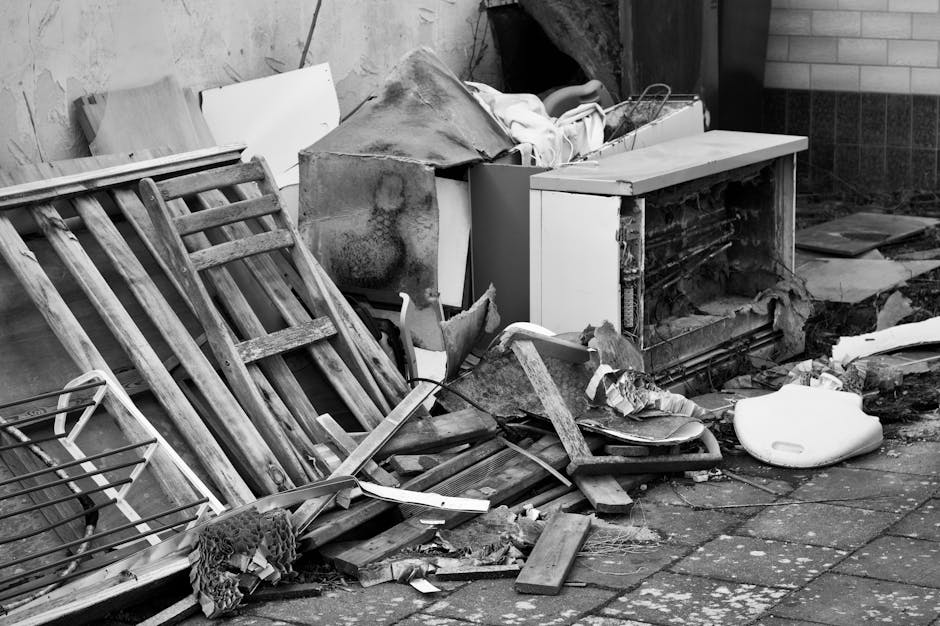
Sorting is often a key part of office clearance. Some items may be suitable for reuse, while others are only fit for disposal. A careful approach allows the work to be handled with more order and less wasteful movement. It can also help when the office contains mixed materials such as timber furniture, metal frames, plastics, packaging and general office debris. Rather than leaving everything in one pile, we keep the load organised as the clearance progresses.
That separation is useful for customers who want to keep the process tidy and for those who need the cleared area ready for contractors, cleaners or incoming teams. It is equally helpful where a business is reducing its footprint and does not want the space left with stray items in cupboards, corners or storage areas. If the office includes a storeroom or back room, these spaces can often benefit from a slightly different approach because hidden surplus items tend to accumulate there.
When you send an enquiry, it helps to be specific about any items that need special attention, such as large cabinets, awkward meeting tables or quantities of boxed paperwork. Simple, direct details usually produce a better estimate than long descriptions. If the work involves several rooms, say so. If there is a lift, a loading bay or restricted entry times, mention that too. The clearer the brief, the easier it is to shape the clearance properly.
Hackney offices, access and building types
Hackney includes a varied mix of commercial spaces, from compact offices above street level to larger premises within converted buildings and newer developments. That variety means no single clearance method fits every site. A room on an upper floor with limited stair access will call for a different lifting plan from a ground-floor office with a direct exit to the outside. The building type, the shape of the rooms and the route out of the property all influence how the work should be arranged.
Shared entrances, controlled access systems and nearby public footfall can also affect the order of work. In busy commercial settings, it is often best to plan the clearance so that movement through communal spaces is kept as controlled as possible. Where there are loading rules or time windows, the pace of the job should reflect those limits rather than forcing the process. In this way, the clearance stays practical and respectful of the building and its users.
Some customers also prefer the work to be organised in stages, particularly if a business is still operating while parts of the office are being emptied. That may mean dealing with one area at a time, leaving essential equipment until the end or timing the removal around a final handover. If that sounds familiar, a short conversation about the layout and your deadline can help determine the most sensible order for the job.
Items that need a careful approach

Not every office item is handled in exactly the same way. Some pieces are straightforward to lift, while others are awkward in size, weight or shape and require a more careful route out of the building. Filing cabinets, large conference tables, fixed-style desks, bulky storage and older office furniture can all need extra attention during removal. The same is true where items have been stored in rooms that are not designed for frequent heavy traffic.
There may also be items that require separate review before clearance begins, such as confidential records, computer hardware with data still on it or anything that should not be mixed into the general load. We do not assume those decisions on your behalf. Instead, the work should be organised around what you want removed and what must stay under your control. That keeps the clearance orderly and avoids avoidable mistakes at a sensitive stage.
If you are planning a full office vacate, the job can be easier when the workspace is walked through in a logical order. Start with the largest furniture, then move through storage areas, desks and finally the smaller leftover items. One clear pass through the space is often better than repeatedly shifting the same objects around. It saves time, reduces clutter and makes the end result easier to check before handover.
Pricing factors and quotation details
Office clearance pricing is usually influenced by the amount and type of material to be removed, the number of rooms involved, access conditions and any need for dismantling or careful handling. A compact office with a few items may be simpler to price than a larger workspace with several floors, mixed furniture and multiple storage areas. Timing can also matter where the work must be fitted into a narrow access window or aligned with a lease end, refurbishment schedule or occupancy change.
To request a quotation, it helps to describe the office size, the main items present and any restrictions that could affect loading or movement. You do not need to over-explain the situation; a practical summary is usually enough. If you already know which areas are to be cleared, list them plainly. If there are items you are unsure about, mention them as well. That allows the quote to be shaped around the real workload rather than an incomplete picture.
For customers comparing options, it is sensible to focus on what is included in the clearance and how the job will be approached. A well-matched quote should reflect the layout, the mix of items and the access conditions. Clear instructions save time later, and they also make it easier to agree the right scope from the start. If you want to move forward, send the basic details and ask for a quotation in plain terms.
About Hackney
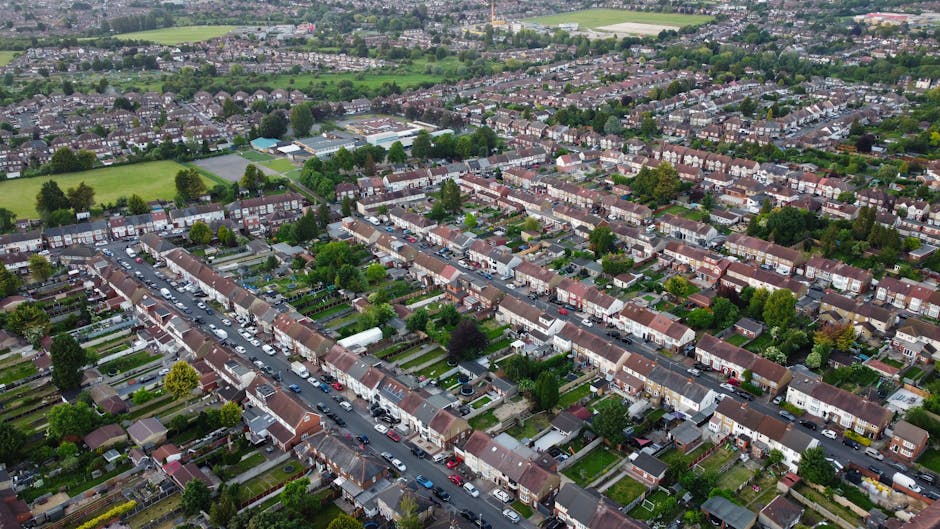
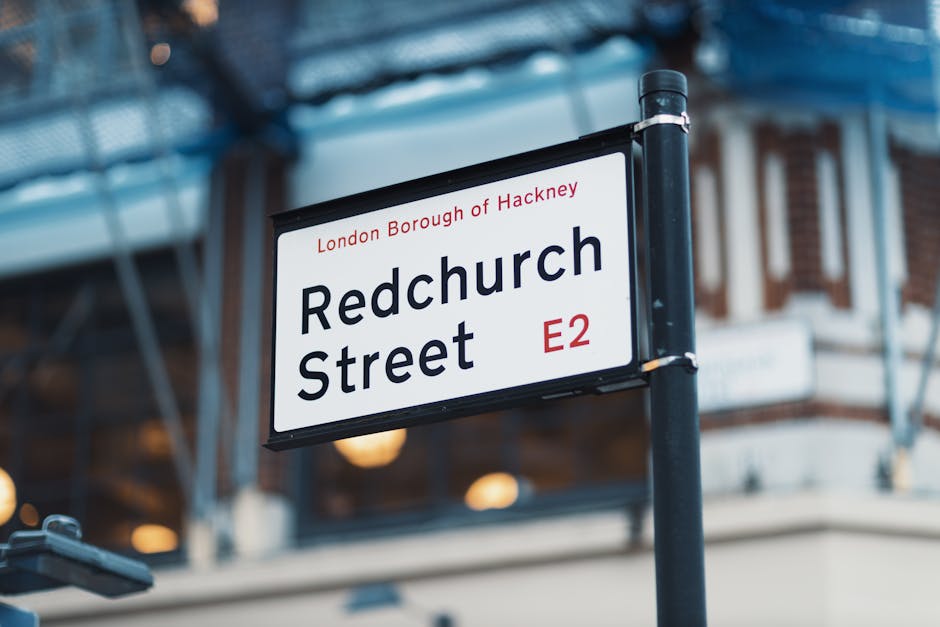
Hackney is a large borough in east London with a strong mix of residential streets, commercial districts and cultural landmarks. It includes areas such as Hackney Central, Dalston, Stoke Newington, Clapton, Homerton and parts of Shoreditch, each with its own character and built environment. The borough is shaped by a varied street pattern, Victorian terraces, post-war estates, warehouse conversions and newer developments, which together give it a layered urban fabric. Regent’s Canal passes through the area, linking stretches of industrial history with parks, towpaths and waterside routes. London Fields is one of the best-known open spaces, while Hackney Marshes offers a broad expanse of grassland and sports pitches that sit close to the River Lee corridor. The borough also contains several historic churches, civic buildings and surviving warehouse fronts that reflect phases of growth and redevelopment. Mare Street and Kingsland Road are among the better-known thoroughfares, each carrying a mix of shops, transport links and long-established local activity. Hackney Empire stands as an important cultural venue, while nearby galleries, performance spaces and creative studios have contributed to the area’s reputation for arts and nightlife. The borough’s development has been shaped by changing industry, housing, migration and transport, with rail, Overground and bus connections continuing to knit the district into wider London. That combination of waterways, green space, dense streets and varied architecture gives Hackney a distinct urban identity that is both historic and evolving.
Office clearance for business moves and handovers
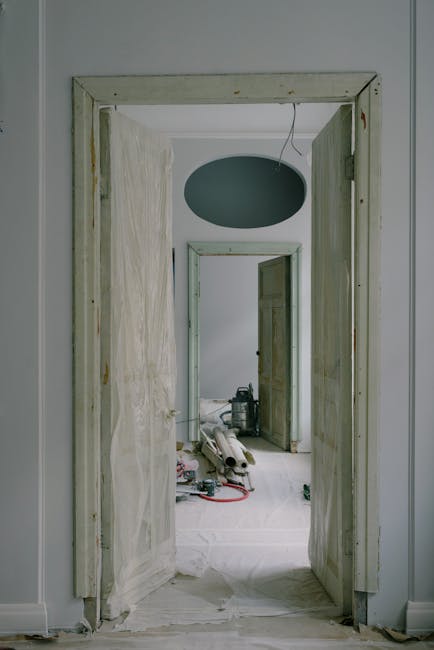
When an office is being vacated, the clearance often needs to fit alongside other practical tasks such as returning keys, checking what remains on site and confirming that rooms are left in the expected condition. The removal work can be organised to support a move-out, a change of tenant or a phased reduction in space. That is especially helpful where the office is being handed back to a landlord or prepared for works by another contractor, because the timing of the clearance may affect everything that follows.
Some businesses prefer to split the work so that one area is cleared earlier and another later. That can be useful when teams are still using part of the office or when archived material and equipment are being reviewed in stages. It can also make sense where meeting rooms, shared kitchens or side storage areas have accumulated items that are not part of the main working floor. A structured approach keeps the task manageable and avoids leaving behind unnecessary leftovers.
If you have a deadline, include it when you request a quote. That does not mean the job must be rushed; it simply means the planning can take the date into account from the outset. Tell us what needs to be removed, what must stay and when the space should be clear. Those basics are often enough to start the conversation in a useful way.
Practical office clearance support across Hackney

Our approach to office clearance is to keep the work ordered, responsive to the building and focused on the items that actually need to go. That means treating a desk clear-out differently from a full floor clearance, and treating a simple removal differently from a job with access limits or multiple rooms. The result should be a cleaner, more usable space and a process that feels manageable rather than disruptive.
If you are sorting through a workspace in stages, we can still help with the final removal once the major decisions have been made. If the office is already empty apart from the remaining furniture and leftover contents, the work can be kept direct and to the point. In either case, the objective is to remove the unnecessary items efficiently and leave the premises ready for whatever comes next, whether that is refurbishment, reoccupation or final handover.
When you are ready to arrange the work, ask for a quotation with the basic facts and any access notes that matter. A short, accurate request is usually enough to begin. Request a quotation and we can take the next step from there.