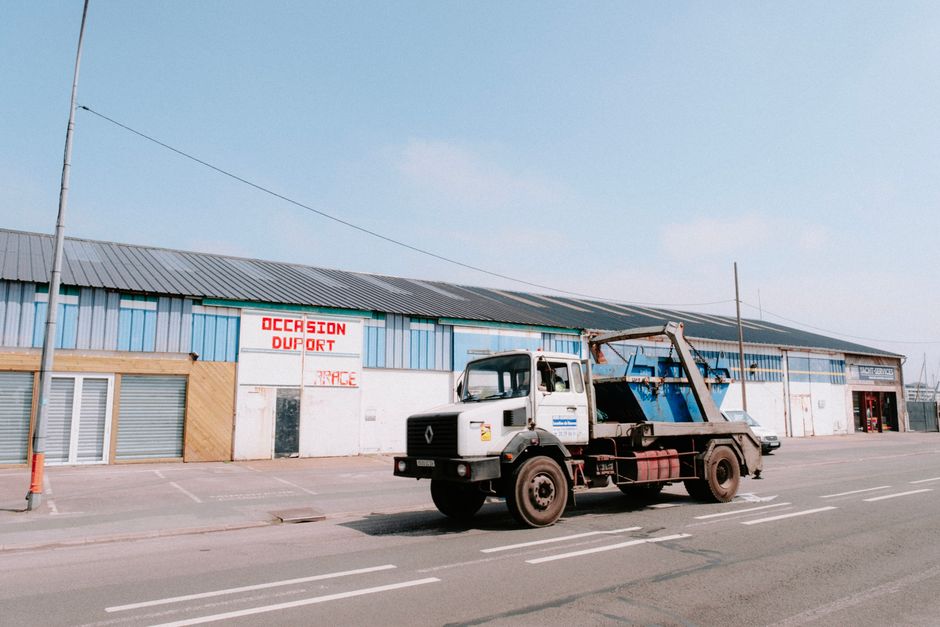
Compare same-day haulage vs skip hire in Hackney
If you need clutter, rubble, furniture, or mixed waste out of the way quickly, the choice between same-day haulage and skip hire in Hackney can save you time, money, and a fair bit of hassle. On the surface they look similar: both remove waste, both handle bulky loads, and both can suit homes, flats, and business sites. But the way they work is very different, and that difference matters more than people expect.
In Hackney especially, space is tight, streets are busy, and parking is rarely straightforward. That changes the game. A skip outside your property can be convenient, yes, but it can also bring permit questions, access issues, and the usual "where exactly will this fit?" moment. Same-day haulage, on the other hand, is often chosen when you need flexibility, speed, and less visible disruption. This guide breaks down the practical differences so you can choose with confidence, not guesswork.
We will look at how each option works, what they are best for, where the hidden costs and headaches tend to appear, and how to make the right call for a flat clearance, office clear-out, builders' waste, or a one-off bulky job. Simple enough. But the details do matter.
Why Compare same-day haulage vs skip hire in Hackney Matters
Hackney is not the sort of place where waste removal decisions stay abstract for long. A project in a terraced house, a top-floor flat, a shop refurb, or a hurried office clearance quickly becomes a question of logistics. The road may be narrow, the frontage shared, and neighbours will definitely notice if waste sits around too long. Let's face it, nobody enjoys turning a tidy job into a pavement obstacle course.
That is why comparing same-day haulage and skip hire properly is useful. The best option is not always the cheapest on paper. It is the one that fits your access, timing, waste type, and tolerance for disruption. A skip can be excellent for ongoing work where you want a fixed container on site. Same-day haulage can be better if you want everything removed in one sweep, especially if space is limited or you simply want the job dealt with today.
For many Hackney properties, the practical question is this: do you want waste stored on-site for a while, or do you want it gone in one visit? That one decision changes the whole experience. It also affects your neighbours, your schedule, and sometimes your budget in ways people do not see at first.
If your job involves renovation debris, check related services such as builders waste clearance or broader waste removal support when you need a more tailored pickup rather than a container sitting outside.
How Compare same-day haulage vs skip hire in Hackney Works
Same-day haulage is usually a collection-based service. A team arrives, loads the waste, and takes it away there and then. Depending on the job, they may sort items on site, separate recyclable material, and remove bulky or awkward loads from inside the property. The big advantage is speed and flexibility. You book, they turn up, they clear. Done.
Skip hire works differently. A skip is delivered to your location, left there for a set period, and collected later. You load it yourself, usually over a day or more, although the exact hire period varies by provider. For some people, that is ideal. For others, it is a bit like having a giant metal box on the drive while your life is already busy enough.
In practical terms, same-day haulage is better suited to people who want labour included and do not want the physical effort of loading waste themselves. Skip hire is better suited to jobs that will generate waste gradually, such as a weekend declutter or a staged DIY project. The difference sounds small at first. It isn't, really.
For example, clearing a flat after a tenancy change may suit same-day haulage if items need to be removed from multiple rooms fast. A garden reshuffle, by contrast, may suit skip hire if soil, branches, old fencing, and broken planters are being generated over several days. If you are dealing with domestic spaces, you may also want to look at flat clearance, home clearance, or house clearance depending on the type of property and volume involved.
Key Benefits and Practical Advantages
Both options have genuine value. The trick is matching the service to the job, rather than the other way around.
Same-day haulage benefits
- Fast turnaround: useful when you need waste gone before contractors arrive, tenants move in, or a property is handed back.
- Less on-site clutter: nothing sits outside for days, which helps with access and kerb appeal.
- Labour included: ideal if items are heavy, awkward, or spread across several rooms.
- Better for tight access: useful in streets where placing a skip would be awkward or disruptive.
- Flexible for mixed loads: good when waste types are varied rather than neatly sorted.
Skip hire benefits
- Longer loading window: handy if waste is produced in stages.
- Good for predictable projects: especially DIY, refurb, or garden work with an ongoing flow of rubbish.
- Can be cost-effective for self-loading: particularly if you have people to help and time to sort things.
- Useful for larger renovation jobs: when the waste volume is steady and fairly straightforward.
In Hackney, one hidden advantage of same-day haulage is simply peace of mind. You do not have to stare at a half-full skip for three days wondering whether someone will top it up with their own rubbish. That's not a tiny concern; it happens often enough to be annoying.
If you need help with bulky household items, services like furniture disposal or furniture clearance can be more practical than arranging a skip just for a sofa, wardrobe, and a mountain of packaging.
Who This Is For and When It Makes Sense
Same-day haulage tends to suit people who need speed, labour, or a clean finish. Skip hire tends to suit people who need storage time and can load waste themselves. Simple, but worth unpacking a little.
Same-day haulage makes sense if you are:
- clearing a flat between tenancies;
- emptying a loft, garage, or spare room;
- dealing with furniture, appliances, or mixed household waste;
- working on a business premises with limited storage;
- trying to avoid a skip on a narrow street or shared access point;
- short on time or unable to do the lifting yourself.
Skip hire makes sense if you are:
- doing a longer DIY job over several days;
- generating waste steadily rather than all at once;
- comfortable loading the container yourself;
- working from a property with enough space and suitable access;
- happy to plan around permit or placement issues in advance.
For businesses, speed often wins. Offices, shops, and landlords usually need the area clear and usable again, not just "in progress". That is one reason services like office clearance and business waste removal are so often chosen over a standard skip.
For garden work, the decision may tilt either way. A one-day tidy-up with branches and broken outdoor furniture can suit same-day removal. A week-long landscaping project may be better with skip hire. Depends how messy the work gets. And how much patience you have left by Thursday afternoon.
Step-by-Step Guidance
If you want to choose confidently, follow a simple process. No drama, no overthinking.
- List the waste type. Is it mixed household waste, furniture, builders' debris, green waste, or office contents? This matters because some loads are easier to remove in one visit than others.
- Estimate volume honestly. People often underestimate how much space broken items take up. A dismantled wardrobe looks smaller in theory than it does in the hallway.
- Check your access. Ask yourself whether a skip can realistically be placed where it needs to go. Think about driveway space, road width, turn-in access, and whether the area is shared.
- Decide who will load the waste. If you are not keen on lifting, stacking, or carrying items down stairs, same-day haulage is usually the calmer choice.
- Think about timing. Do you need the waste gone today, or can you live with it on site for a few days?
- Consider disruption. A skip can sit there and attract attention. Haulage is more discreet because the job is over quickly.
- Get a clear quote. Ask what is included, what might change the price, and whether loading, labour, or recycling costs are built in.
If you are clearing hard-to-reach places, the service choice matters even more. A cramped loft, for example, can be a much better fit for scheduled removal than a skip outside. You may also want to review loft clearance if the job involves old boxes, insulation offcuts, archived papers, and forgotten furniture stacked under the rafters.
Quick rule of thumb: if the waste is ready now, haulage often wins. If the waste will appear over time, skip hire may be the better tool.
Expert Tips for Better Results
There are a few small decisions that make the whole process smoother. These are the kind of things people only learn after one slightly chaotic experience, so it helps to say them plainly.
- Sort obvious recyclables early. A quick separation of cardboard, metal, reusable furniture, and clean timber can make collection more efficient.
- Keep walkways clear. Whether you choose haulage or skip hire, a tidy route saves time and reduces the chance of scuffed walls or tripped feet.
- Be realistic about heavy items. A water-damaged sofa, a filing cabinet, or broken cabinetry takes more effort than expected. A lot more, sometimes.
- Book around your day, not against it. If you have builders, cleaners, or a key handover later, schedule the removal with enough breathing room.
- Ask about disposal destination practices. You do not need a lecture, just a straightforward explanation of how the waste will be handled and whether recyclable material is separated.
- Use a service that matches the property type. Flats, offices, garages, and gardens all present different access issues. A general solution is not always the best one.
For garden jobs, a combined approach sometimes works well: remove bulky items quickly, then deal with the remaining lighter waste separately. If that sounds familiar, garden clearance can be the more natural fit than a full skip where the load is mostly bulky cuttings and awkward bits of fence.
And if the job is spread across rooms, a walkthrough before collection helps. You will spot the surprises: the old desk nobody remembered, the damp cardboard behind the cupboard, the one chair that suddenly appears to have no legs. Happens all the time.
Common Mistakes to Avoid
Most problems come from one of three things: poor planning, wrong assumptions, or trying to force the wrong service to do the wrong job. Fairly normal, but avoidable.
- Choosing a skip because it feels familiar. Familiar does not mean suitable. If space is limited, same-day haulage may be cleaner and easier.
- Underestimating labour. If the waste is on an upper floor or tucked into a loft, the physical effort can become the real issue.
- Ignoring access restrictions. Shared driveways, narrow roads, and permit-related placement considerations can turn a simple skip plan into a nuisance.
- Filling the wrong container with mixed waste. Some jobs are not neat little piles of one material. Mixed waste needs the right handling.
- Leaving the booking too late. In busy periods, both haulage and skip hire can become harder to secure at short notice.
- Not checking what is excluded. Certain items may need special handling. If there is doubt, ask early rather than leaving a nasty surprise for collection day.
A common real-world issue in Hackney is space pressure. People think they have just enough room for a skip until the day it arrives and the van needs to reverse, or the bins are already in the way, or a neighbour has parked awkwardly. Suddenly everything is more difficult than it looked on the plan. Not disastrous. Just irritating.
Tools, Resources and Recommendations
You do not need fancy tools to make this decision well, but a few practical things help.
- A rough room-by-room list: especially useful for flats, houses, and office spaces with spread-out waste.
- Phone photos: a quick set of pictures helps explain volume, access, and item types more clearly than a long message.
- Measurements: doorway width, stair turns, driveway space, and the approximate size of large items can be surprisingly useful.
- A waste category note: write down whether the load is furniture, mixed rubbish, green waste, builders' material, or office contents.
- A timeline: note the day you need the space clear and whether there are contractors, movers, or tenants involved.
If you are organising a larger domestic clear-out, pages like garage clearance, house clearance, and home clearance can help you judge which service style is more suitable for the size and urgency of the job.
For anyone comparing prices, the most useful quote is not the cheapest-looking one. It is the one that clearly explains labour, timing, collection method, and what happens if the load turns out to be bigger than expected. Transparent quotes save arguments later. And nobody wants those.
Law, Compliance, Standards and Best Practice
When waste is being removed in the UK, the safe approach is to use a provider that handles waste responsibly, follows accepted duty-of-care expectations, and can explain what happens to the material after collection. You do not need a legal seminar. You do need confidence that the waste is being dealt with properly.
For skip hire, placement and access can involve local rules or site-specific restrictions. In practice, that means checking whether the skip can be placed where you want it and whether additional permission or planning is needed for your exact situation. Because these details can vary, it is sensible to confirm them before booking rather than after the lorry is already on the street.
For same-day haulage, the main best-practice points are straightforward:
- use a provider that separates reusable and recyclable material where appropriate;
- make sure the load is described honestly;
- avoid mixing prohibited or unsafe items with general waste;
- keep access routes safe and clear for staff;
- ask how heavier or awkward items will be handled.
Good practice also matters for safety. If items need to be lifted from awkward spaces, checked for sharp edges, or carried down narrow stairs, the provider should work methodically rather than rushing. That is one reason to look for clear reassurance around health and safety policy and insurance and safety standards when reviewing a company.
If sustainability matters to you, ask how recyclable material is handled and whether the company has a clear approach to sorting waste. A sensible provider should be able to speak plainly about recycling and reuse without making it feel like a scripted sales line. You can also review recycling and sustainability to understand the wider approach.
Options, Methods, or Comparison Table
Here is the simplest way to compare the two choices side by side.
| Factor | Same-day haulage | Skip hire |
|---|---|---|
| Speed | Usually collected the same day | Usually delivered and collected later |
| Labour | Removal team loads the waste | You usually load the skip yourself |
| On-site disruption | Lower, because the waste goes quickly | Higher, because the skip stays in place |
| Access needs | Often better for tight or awkward access | Needs suitable space for delivery and placement |
| Best for | Urgent clearances, bulky items, mixed loads | Ongoing projects, gradual waste generation |
| Planning style | Simple, fast, and labour-light for the customer | More DIY-friendly, but needs more space and time |
Practical takeaway: if your main problem is speed and access, haulage usually has the edge. If your main problem is a steady flow of waste over several days, skip hire often makes more sense. That is the heart of it.
Case Study or Real-World Example
Imagine a landlord in Hackney preparing a two-bedroom flat for a new tenant. There is a sofa, a bed frame, a few shelves, a broken office chair, several bags of mixed household waste, and some old kitchen bits. The flat is on the second floor, the stairwell is narrow, and street parking is already tight by late morning.
In that situation, same-day haulage is often the cleaner option. The team can remove the items from inside the property, keep the stairwell clear, and finish the job in one visit. The landlord does not need to coordinate who will load what, and the flat can be cleaned and photographed the same day. Less faff, basically.
Now imagine a small building project where old timber, rubble, plasterboard offcuts, and packaging are generated over a week. The work site has enough space for a container and the team is producing waste gradually. In that case, skip hire might be the more practical fit because the container acts as a central holding point while the work continues.
Those are very different jobs, even though they both end with waste being taken away. That is why the comparison matters. It is not about which service is "better" in general. It is about which one suits the way the waste is actually being created.
Practical Checklist
Before you book, run through this quick checklist. It saves time and avoids last-minute surprises.
- Do I need the waste gone today, or can it stay on site for a while?
- Is the waste all one type, or is it mixed?
- Do I have enough space for a skip, if I choose one?
- Will I need help carrying items from a loft, flat, office, or garden?
- Am I happy to load waste myself?
- Are there stairs, narrow entrances, or shared access points to think about?
- Do I want to minimise disruption to neighbours or customers?
- Have I confirmed what is included in the quote?
- Do I understand how the waste will be handled afterwards?
- Have I picked a service that matches the actual job, not just the cheapest headline option?
If you are still unsure after that, it often helps to think about the end result. Do you want a container outside for a few days, or do you want the place cleared in one go? That answer usually tells you more than any sales pitch.
Conclusion
Comparing same-day haulage vs skip hire in Hackney comes down to a handful of real-world factors: speed, access, labour, waste type, and how much disruption you can tolerate. Skip hire can be a good fit for staged projects and DIY jobs where waste builds up over time. Same-day haulage is often the better choice when you want quick, low-fuss removal and do not want a container sitting outside your property.
In Hackney, where access can be tight and schedules are often squeezed, that distinction matters even more. The right choice is the one that fits the space, the timeline, and the kind of waste you actually have. Not the one that sounds neat in theory. The practical one.
If you want to explore the most suitable clearance route for your property or business, it can help to review the relevant service pages, compare the approach, and ask for a quote that reflects the real job rather than a rough guess.
Get a free quote today and see how much you can save.
Sometimes the smartest move is the simplest one. Pick the option that makes the space feel lighter, the day feel calmer, and the rest of the week just a little easier.
Frequently Asked Questions
Is same-day haulage faster than skip hire in Hackney?
Usually, yes. Same-day haulage is designed to remove waste in one visit, while skip hire involves delivery, loading time, and later collection. If speed is the priority, haulage is often the quicker route.
Is skip hire cheaper than same-day haulage?
Not always. Skip hire can look cheaper if you are loading the waste yourself and have plenty of time, but same-day haulage may be better value when labour, speed, and access are factored in. The cheapest headline price is not always the cheapest end result.
Which option is better for a flat in Hackney?
Same-day haulage is often better for flats, especially where stairs, limited storage, or tight access make skip placement awkward. If the waste is generated over several days and the building can handle skip access, skip hire may still work.
Do I need to load the waste myself with skip hire?
Yes, in most cases. That is one of the main differences between the two options. Skip hire gives you the container, but you usually do the loading. Same-day haulage includes the team doing the heavy lifting.
What kind of jobs suit same-day haulage best?
Urgent clearances, bulky furniture removal, office emptying, loft clear-outs, and mixed waste jobs often suit same-day haulage well. It is especially useful when you want the space clear immediately and do not want on-site clutter.
What kind of jobs suit skip hire best?
DIY projects, landscaping work, and renovations where waste builds up over several days are often a good fit for skip hire. It works best when you have space, time, and people available to load the skip.
Can I use same-day haulage for furniture disposal?
Yes, and it is often a very practical option. Sofas, wardrobes, desks, mattresses, and other bulky items can usually be removed in one visit. For larger household jobs, furniture disposal or furniture clearance may be more suitable than arranging a skip.
What if I have builders' waste rather than household rubbish?
Builders' waste can go either way depending on volume, timing, and access. If the waste is produced steadily over a project, skip hire may suit you. If you want a fast clear-out at the end of the job, same-day haulage or builders waste clearance may be a better match.
Is same-day haulage better for office clearances?
Often, yes. Offices usually need minimal disruption, fast turnaround, and removal of mixed contents rather than just one waste type. That is why office clearance is frequently chosen instead of leaving a skip on site.
What should I check before booking either option?
Check the waste type, volume, access, timing, and whether you want labour included. Also confirm what the quote covers, how recyclable material is handled, and whether the service suits your property layout. A few minutes of checking can save a full day of frustration.
Can garden waste go in a skip or be collected the same day?
Yes, both are possible. The better choice depends on whether the waste is produced in stages or all at once. For one-off outdoor jobs, garden clearance can be simpler than arranging a skip and managing the loading yourself.
What is the main mistake people make when choosing between the two?
The biggest mistake is choosing based on habit rather than the actual job. People often default to a skip because it feels familiar, or choose haulage without checking whether the waste will be ready in time. Matching the service to the task is the real win.
How do I know if my property is suitable for skip hire?
Think about space, access, parking, and whether a skip can be placed without causing problems. In Hackney, that can be the deciding factor. If placement looks awkward or disruptive, same-day haulage is often the cleaner, easier choice.