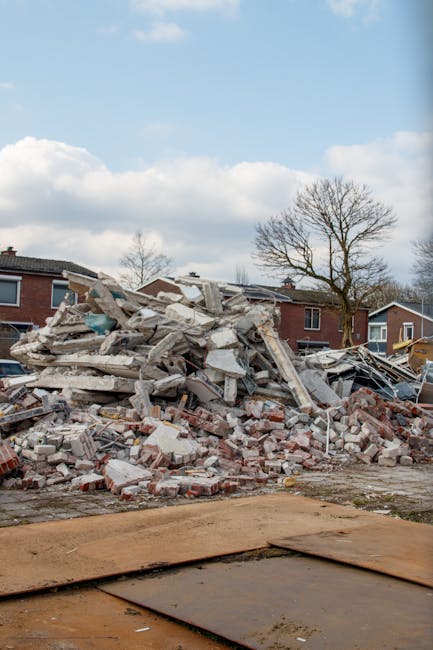
Dalston estate waste removal: what to schedule
If you manage, live on, or let property on an estate in Dalston, waste can build up faster than people expect. A broken sofa appears in the lobby, a tenant leaves behind bags in the stairwell, a refurbishment creates a pile of rubble, and suddenly the whole place feels untidy and a bit strained. That is exactly where Dalston estate waste removal: what to schedule becomes useful. The trick is not just booking a clearance at random. It is knowing what needs to go, what should be separated, and what can be planned ahead so the job is quicker, safer, and less disruptive.
This guide walks through the kind of estate waste that usually needs scheduling, how the process works, what to prioritise, and how to avoid the common mistakes that make a simple job more expensive or messy. If you want a broader overview of removal services, it can also help to look at general waste removal and the company's recycling and sustainability approach before you book.
Quick takeaway: on estates, the best waste removals are usually the ones planned around access, item type, and collection timing rather than just volume.
Why Dalston estate waste removal: what to schedule Matters
Estate clearances are different from a one-off household collection. In a Dalston estate, you often have shared entrances, narrow corridors, bikes parked where they should not be, and neighbours who would quite like the lift to stay usable, thanks. That changes the whole job. If you schedule the wrong type of clearance, you can end up with delays, access issues, or waste left behind because the team was not briefed properly.
What gets scheduled matters because estates usually produce mixed waste streams. You may have bulky furniture from a flat clearance, old office chairs from a resident group room, green waste from common areas, or builders' debris after repairs. Each category needs a slightly different approach. For example, furniture is often best handled through a dedicated furniture disposal service, while refurbishment debris may fit better with builders waste clearance. The better the fit, the smoother the day.
There is also a neighbourly side to it. Estates are shared spaces, so a badly planned job can leave bins blocked, access paths cramped, or bags sitting out too long. That can trigger complaints. Not dramatic, just annoying in the everyday way that wears people down. A good schedule reduces that friction.
Expert summary: on an estate, waste removal works best when you plan by waste type, access route, and collection timing, not just by how much needs to go.
How Dalston estate waste removal: what to schedule Works
At a practical level, estate waste removal starts with identifying what is actually there. That sounds obvious, but in real life it is where most jobs become messy. One resident says it is only "a few bits," and then you discover a heavy wardrobe, a busted mattress, several bagged clear-outs, and some old shelving that will not fit in a lift. Good scheduling means listing those items before the crew arrives.
Here is the usual flow:
- Assess the waste. Separate furniture, bagged rubbish, recyclables, electrical items, garden waste, and renovation debris.
- Check access. Note stairwells, lift size, parking, loading points, restricted entry times, and any concierge or keyholder arrangements.
- Choose the right service type. A flat clearance, estate clearance, office clearance, or specialist waste removal job may be more suitable than a general collection.
- Book a realistic slot. Don't squeeze a big job into a window that only suits a quick pickup. That is how rushed work happens.
- Prepare the site. Move small loose items together, label anything that stays, and clear the route from the property to the collection point.
- Collection and sorting. Good teams will separate items for reuse, recycling, and disposal where appropriate.
If the estate includes shared commercial spaces or small managed offices, it may make sense to combine clearances with business waste removal or a dedicated office clearance. That can reduce duplicate visits, which is always nice when parking in Dalston is not exactly generous.
For emptying a single flat or multiple rented units, you may also want to think about flat clearance or broader house clearance if the estate contains maisonettes or family homes. The right label matters because it helps match the team, vehicle size, and disposal plan to the actual job.
Key Benefits and Practical Advantages
People often think waste removal is just about making things look tidy. It is that, but the real benefits go a bit deeper.
- Cleaner shared spaces: clear corridors, stairwells, bin areas, and fire exits are easier for everyone to use.
- Less disruption: a well-planned collection avoids repeated visits, awkward back-and-forth, and long blockages.
- Better recycling outcomes: sorting items properly can improve what is reused or recycled rather than mixed into general waste.
- Reduced risk: loose rubbish, sharp debris, and heavy items can create avoidable hazards if left too long.
- Better tenant experience: people notice when the estate is looked after. It sounds small, but it really does affect how a place feels.
There is also a planning benefit. Once you know the likely waste pattern on the estate, you can schedule removals more strategically. For instance, after end-of-tenancy periods, after minor refurbishments, or following seasonal clear-outs in storage rooms or gardens. That is especially useful for estates with recurring maintenance work.
If you need a service that focuses on home contents rather than just loose rubbish, look at home clearance. If the job is centred on furniture, the dedicated furniture clearance page is also a sensible place to start. Small distinction, but it saves confusion later.
Who This Is For and When It Makes Sense
This kind of scheduling is useful for a few different people, and the needs are not always the same.
- Estate managers: when communal areas, bin stores, or vacant units need clearing.
- Landlords and letting agents: after move-outs, deposit disputes, or abandoned belongings.
- Residents: when bulky items, loft clutter, or leftover renovation waste becomes too much for normal collection.
- Maintenance teams: when repairs generate rubble, old fittings, or damaged fixtures.
- Small businesses on mixed-use estates: when stock, packaging, desks, or office furniture needs removing.
It makes sense to schedule estate waste removal when rubbish is affecting access, safety, or the general use of the building. It also makes sense when waste is too bulky for household bins, or when your regular collection service will not take certain items. Truth be told, if a staircase already smells faintly of damp cardboard and old paint tins, you are probably past the "let's wait and see" stage.
For outdoor areas, especially communal courtyards or storage corners, garden clearance may be the right fit if the waste is mostly green material, pots, soil, or broken garden furniture. For loft stores or top-floor holdalls that have quietly filled up over time, loft clearance can be the more practical route.
Step-by-Step Guidance
If you want the schedule to work well first time, use a simple plan. No need to overcomplicate it.
1. Walk the site before you book
Start with a proper look at what needs removing. Take note of where the waste is stored, whether it is already bagged, and if there are any awkward items like wardrobes, mattresses, filing cabinets, or broken appliances. A five-minute walk-through can save a lot of guesswork later.
2. Separate by category
Group items into useful categories:
- bulky furniture
- bagged household rubbish
- electrical items and cables
- garden and green waste
- builders' rubble and plasterboard
- confidential paperwork or office materials
This helps you decide whether the job is a general waste removal booking or something more specific.
3. Check building access
In Dalston estates, access is often the detail that changes everything. Ask yourself: Is there lift access? Are there loading restrictions? Is there a gate code? Can a van stop nearby without causing problems? If not, make sure the team knows before arrival.
4. Book a time that suits the estate, not just your diary
Choose a slot that avoids school-run traffic, bin collection clashes, or heavy footfall in the communal parts of the estate. If possible, aim for a time when neighbours are less likely to be coming and going. Morning slots are often easier, but not always. Every building has its own rhythm.
5. Confirm what should stay
One very ordinary mistake: someone clears a room and accidentally removes something meant to stay. Label the items that are not part of the clearance. Put them in a separate space if you can. This is especially useful in shared cupboards, bin areas, or mixed tenant storage.
6. Ask about sorting and disposal
Good operators should explain how they handle reusable, recyclable, and non-recyclable items. If the estate wants to improve environmental performance, that conversation matters. The provider's recycling and sustainability information can be a helpful reference point.
7. Keep the route clear on collection day
On the day itself, make sure the path from the waste area to the vehicle is as clear as possible. It sounds simple, but a couple of parked bikes, a stroller, or a stack of parcels can slow everything down.
Expert Tips for Better Results
Small decisions make a big difference with estate waste. That is the honest truth.
- Photograph the waste before you book. Photos help with sizing, pricing, and choosing the right vehicle.
- Use one contact person. Estates work better when one person coordinates keys, access, and instructions.
- Plan around seasonal demand. Spring and post-renovation periods often bring more bulky waste than you expect.
- Keep a short item list. Even a rough inventory makes the booking more accurate.
- Ask what happens to mixed loads. Mixed waste is common, but it still needs sensible sorting.
If furniture is a big part of the job, a dedicated clearance can be cleaner and easier than trying to force everything into a general waste visit. The same goes for properties with repeated furniture turnover, which is where furniture disposal tends to be more efficient than a generic collection.
Another useful tip: for estates with repeated clear-outs, keep a simple record of what was removed and when. Nothing fancy. Just enough to spot patterns. You may notice, for example, that storage room clearances are needed every six months, while garden waste spikes after wet weather. Useful little pattern, that.
Common Mistakes to Avoid
These are the mistakes that most often cause delays or extra cost.
- Underestimating the volume. A few bags can turn into a full van load once loose items are gathered.
- Mixing all waste together. Some waste types are easier to handle when kept separate from the start.
- Ignoring access restrictions. A job can stall if a van cannot park nearby or a lift is too small for the items.
- Leaving the booking too late. If waste is already blocking shared areas, waiting rarely improves the situation.
- Not checking what can be removed. Some items need special handling, so ask early rather than guessing.
A smaller mistake, but still a real one: forgetting to tell residents or neighbours about the collection. Even a simple notice can reduce complaints. Nobody likes the sound of trolley wheels and loading doors at the wrong time, especially if they were not expecting it.
Tools, Resources and Recommendations
You do not need a long equipment list, but a few basics make planning much easier.
- Camera phone: for quick photos of rooms, storage areas, and awkward items.
- Marker labels or tape: useful for marking what stays and what goes.
- Simple checklist: helps you separate furniture, debris, bags, and special items.
- Estate access notes: codes, gate timings, parking restrictions, and contact details.
- Quote comparison: a written estimate helps you see whether the service matches the job scope.
For pricing questions, a direct discussion with a provider is usually the clearest next step. The pricing and quotes page is a useful place to understand how quotations are typically handled. If you are still deciding whether the work needs a broader home or site clearance, the main home clearance and flat clearance services can help you compare options.
And if the clearance is linked to a larger property project, especially one involving repairs or strip-out work, check whether the team also handles builders waste clearance. That is often the cleanest fit when debris, packaging, broken fittings, and plasterboard all appear at once.
Law, Compliance, Standards and Best Practice
Waste removal on estates should be handled carefully. You do not need to become a legal expert, but you do need to use a provider that follows sensible UK best practice. That usually includes safe loading, proper transport, responsible disposal routes, and clear communication about what happens to collected items.
For estate managers and landlords, the main practical concern is duty of care: making sure waste is handled by people who know what they are doing and can dispose of it properly. That is especially important for mixed loads, electrical items, or anything potentially hazardous. If a provider explains their health and safety policy and insurance and safety approach clearly, that is a good sign. Not glamorous, but reassuring.
For residents and managers alike, a few best-practice questions are worth asking:
- Will items be sorted for reuse or recycling where possible?
- How is the team managing heavy lifting and shared access?
- Are there items that need special handling or advance notice?
- Can the company explain its disposal process in plain English?
If you are dealing with a commercial or mixed-use estate space, it is also sensible to review the company's business waste removal service and read their general terms and conditions before confirming the job. A little reading now can prevent awkwardness later.
Options, Methods, or Comparison Table
There is more than one way to arrange estate waste removal. The best method depends on what is being cleared, how much access you have, and whether the waste is mixed.
| Method | Best for | Strengths | Watch-outs |
|---|---|---|---|
| General waste removal | Mixed household rubbish, small bulk items, everyday clear-outs | Flexible and straightforward | May not be ideal for large furniture or construction debris |
| Flat or home clearance | Vacant units, tenant move-outs, end-of-tenancy clearances | Good for full-property jobs | Needs accurate access and item details |
| Furniture clearance/disposal | Sofas, wardrobes, tables, beds, office seating | Useful for bulky items | Measure doorways and lifts first |
| Builders waste clearance | Refurbishment debris, rubble, fittings, packaging | Suited to renovation work | Some materials need careful sorting |
| Garden clearance | Green waste, soil, broken outdoor items | Keeps courtyards and common areas tidy | Wet green waste can be heavier than expected |
In practice, many Dalston estate jobs mix two or three of these categories. That is perfectly normal. A vacant flat may contain furniture, bagged waste, and a bit of old DIY debris, all in one go. The point is not to make the job fit a single label; the point is to choose the service that matches the real mess in front of you.
Case Study or Real-World Example
Picture a small Dalston estate with one empty flat above a shared entrance and a bin store that has also picked up a few abandoned chairs and cardboard boxes. Nothing extreme. Just enough clutter to make the place feel neglected. The manager walks through the unit, notes a broken wardrobe, a mattress, several bin bags, and a couple of shelves in the hallway. There is also a small patch of garden waste near the back area from a tidy-up after maintenance.
Instead of booking all of it as one vague pickup, the manager breaks it into three practical categories: flat clearance, furniture removal, and garden waste. The collection team is told about the narrow stairwell, the parking bay near the entrance, and the fact that the lift is small. The result? Fewer surprises, one organised visit, and a much calmer morning for residents coming and going. No drama. No guessing. Just a cleaner estate by lunchtime.
That is the real value of scheduling properly. Not perfection, just fewer moving parts.
Practical Checklist
Use this before you confirm a collection.
- List every item or waste type that needs removing.
- Separate furniture, bagged waste, green waste, and rubble.
- Check whether anything needs specialist handling.
- Measure doorways, stair access, and lift size if relevant.
- Confirm parking, loading, and gate access details.
- Decide which items must stay on site and label them clearly.
- Choose a collection time that suits the estate and residents.
- Ask about sorting, recycling, and disposal methods.
- Review the quote so the scope is clear.
- Keep contact details handy for the day of collection.
If you are working through the estate with a bigger property sweep, it can help to compare the job against house clearance and loft clearance too. Sometimes the job is more layered than it first appears.
Conclusion
Dalston estate waste removal works best when you schedule with a clear plan rather than a rough guess. Think about what needs removing, where it sits, how the team will access it, and which service type fits the load. That simple discipline saves time, reduces disruption, and usually leads to a cleaner, safer result for everyone on site.
Whether you are clearing one flat, a shared store room, a garden corner, or a full mixed-use estate area, the key is to match the job to the waste. Small detail, big difference. And once you have done it well once, future clear-outs become much easier to manage.
If you are ready to arrange a tailored clearance, start by comparing the relevant service pages and checking the booking details carefully. A bit of planning now can save a lot of hassle later.
Get a free quote today and see how much you can save.
Sometimes the cleanest estates are simply the ones that were planned with a bit of care.
Frequently Asked Questions
What should I schedule first for an estate waste removal in Dalston?
Start by listing the waste type, the quantity, and the access route. In most cases, the first decision is whether the job is mainly furniture, general rubbish, builders debris, or a full flat or home clearance.
Do I need a different service for furniture and mixed rubbish?
Often, yes. Heavy furniture is usually easier to remove through a furniture-focused service, while mixed rubbish may fit a broader waste removal booking. If the load contains both, mention that upfront so the right vehicle and team are arranged.
Can estate waste removal handle bulky items like wardrobes and mattresses?
Yes, provided access is suitable and the provider knows about the items in advance. Bulky objects are common on estates, but they need proper planning, especially if stairs, lifts, or narrow corridors are involved.
How far in advance should I book?
As early as you reasonably can, especially if the estate has access restrictions or the waste is linked to a move-out or refurbishment. Even a short lead time helps with parking, staffing, and the right type of clearance.
What if the waste includes builders' rubble or DIY debris?
Then it is worth scheduling a builders waste clearance rather than a generic household pickup. Debris, broken fittings, and packaging often need different handling from normal domestic waste.
Is it better to clear everything at once or split the job?
That depends on the load and the access. If the waste is mixed but manageable, one organised visit is often best. If some items need special handling or the estate has tight access, splitting the job can make sense.
What should I tell the clearance team before they arrive?
Give them a clear item list, any access codes, parking details, lift restrictions, and the location of the waste. The more practical detail you provide, the less likely the day is to drift off course.
Can waste from communal gardens be included?
Yes, if it is appropriate for the service booked. Green waste, broken outdoor furniture, soil, and similar material are often handled through garden clearance, which is a good fit for common outdoor areas.
How do I know if a quote is fair?
Look at whether the quote reflects the actual volume, item type, access difficulty, and any special handling needs. A quote that seems unusually low may not include everything you need, so ask for clarity rather than guessing.
What happens to the waste after collection?
A responsible provider should sort items where possible for reuse, recycling, or disposal. If sustainability matters to your estate, ask about that process before booking and review the company's recycling approach.
Are there compliance issues I need to think about?
Yes, especially for mixed waste, electrical items, and anything potentially hazardous. You do not need to manage the disposal yourself, but you should choose a provider that works safely, carries suitable insurance, and explains its process clearly.
Can I schedule a clearance for just one flat on the estate?
Absolutely. A single flat clearance is very common after a move-out, tenancy change, or inheritance-related emptying. It does not need to be a whole-estate job to be worth booking.