Dalston market rubbish clearance after market day: a practical guide for traders, organisers, and local businesses
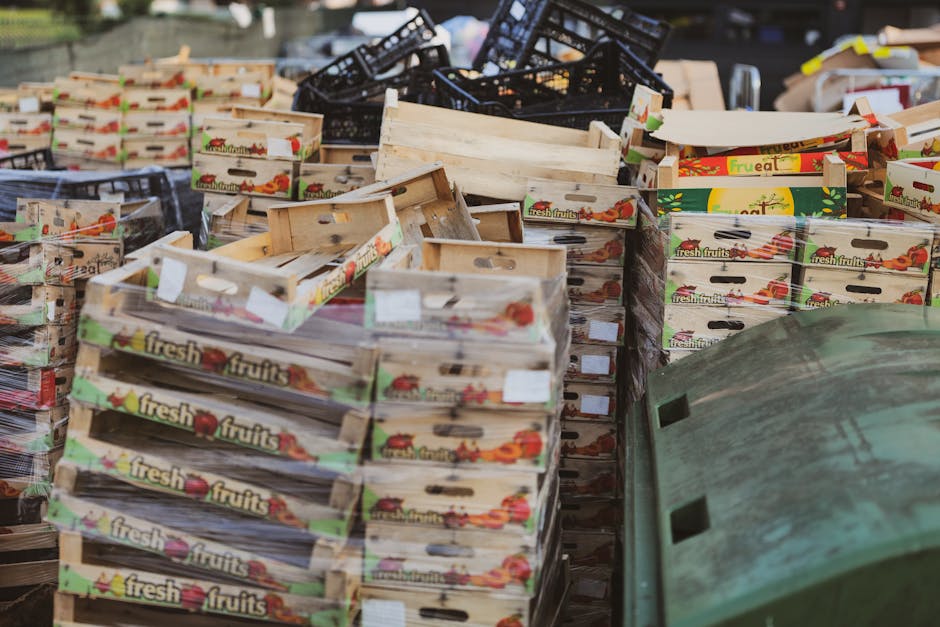
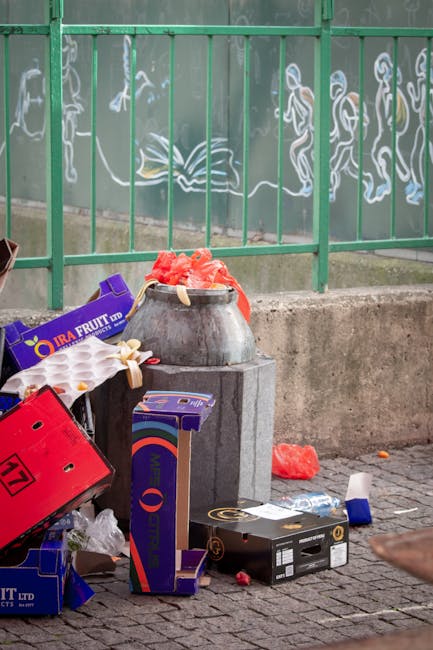
After a busy market day in Dalston, the last thing anyone wants is to stare at piles of broken boxes, food packaging, torn plastic wrap, stray hangers, and the odd soggy bit of cardboard clinging to the pavement. Yet that's exactly the moment when Dalston market rubbish clearance after market day becomes essential. It keeps the area safe, helps the next day start clean, and stops waste from turning into a headache for traders, staff, and nearby residents.
Truth be told, market clear-down can feel deceptively simple from a distance. You pack up, sweep through, and off you go. In reality, there's timing, sorting, access, recycling, and local expectations to think about. This guide breaks the process down properly, so you can understand what good clearance looks like, how it works in practice, and how to avoid the common mistakes that make a quick tidy-up turn into a messy end-of-day scramble.
Whether you run a stall, manage an event, coordinate a market, or just want a cleaner, safer site after the crowds have gone, you'll find useful, no-nonsense advice here. And yes, we'll keep it grounded in real-world conditions rather than vague "best practice" waffle.
Why Dalston market rubbish clearance after market day Matters
Markets are lively, busy, and brilliant for the local area, but the flip side is waste. Boxes pile up. Food stalls produce mixed refuse. Packaging gets damp, crushed, or blown around by a sudden gust. If waste is left sitting too long, the whole site can start looking tired very quickly.
That matters for a few straightforward reasons. First, there's public safety. Loose packaging, broken crates, spilled liquids, and trip hazards can create avoidable risks for traders and anyone moving through the area. Second, there's presentation. A clean market space sends a strong message: this is an organised place that people can trust. Third, there's operational efficiency. If waste is cleared properly, the next trading day starts smoother. No one wants to arrive early and find a leftover mountain of cardboard blocking access.
In a place like Dalston, where the rhythm of the day moves quickly, poor clear-down can also create friction with neighbours and nearby businesses. Let's face it, nobody enjoys bins overflowing beside shopfronts or bags dragged across pavements in the early evening. A well-planned clearance routine reduces that pressure and helps everyone get on with their day.
Expert summary: Good market waste clearance is not just about removing rubbish. It is about keeping the site safe, reducing complaints, protecting the trading environment, and making tomorrow easier than today.
How Dalston market rubbish clearance after market day Works
In practical terms, after-market clearance is the process of collecting, sorting, loading, and removing waste generated during market trading. The exact setup depends on the size of the market, the types of stalls involved, and how much waste is produced, but the basic flow is similar.
1. Waste is gathered at source
Traders usually begin by separating what can be reused, recycled, or disposed of. Cardboard boxes, clean paper, shrink wrap, food waste, damaged packaging, and general litter tend to be the most common streams. The better the sorting, the easier the clearance. Simple, but true.
2. The site is checked for hidden waste
Experienced teams do not just deal with the obvious piles. They check behind stalls, under tables, near loading points, and along kerbs where wind can trap light rubbish. A half-broken crate tucked behind a barrier is the sort of thing that gets missed if everyone is rushing.
3. Waste is loaded safely
Clearance teams then move the waste into suitable vehicles or containers. Heavy items need lifting correctly. Sharp items should be handled carefully. Mixed waste needs separation if recycling is part of the plan. This stage sounds basic, but the difference between a tidy, efficient clear-down and a chaotic one usually shows up here.
4. Recyclable material is diverted where possible
Cardboard and certain clean packaging materials may be separated for recycling if contamination is low enough. Wet waste, food-contaminated packaging, and damaged mixed materials often need different handling. In practice, the cleaner the waste stream, the better the recovery options.
5. The area is left clear and usable
The final step is making sure the market space is left ready for the next use. That means no trailing debris, no loose bags, no awkward corners of waste hidden out of sight, and no residue that attracts pests or causes odours. You can usually tell when a site has been properly cleared. It has that calm, reset feeling. Quiet, even if only for a moment.
Key Benefits and Practical Advantages
A proper after-market rubbish clearance service does more than make the site look neat. It changes how the space functions, and that has knock-on benefits for traders, organisers, and the wider neighbourhood.
- Cleaner trading environment: Customers see a tidier market, which supports trust and repeat visits.
- Less manual work for traders: Stallholders can focus on selling rather than spending ages shifting waste at the end of the day.
- Reduced pest attraction: Food waste and overflow bins left too long can invite unwanted visitors. No one needs that.
- Safer walkways and loading areas: Cleaner routes mean fewer trip hazards and less clutter during pack-down.
- Better recycling outcomes: Sorting waste properly makes it easier to divert useful materials away from general rubbish.
- Improved neighbour relations: A tidy clear-down reduces spillover into surrounding streets and keeps disruption down.
There is also a less obvious benefit: morale. When staff and traders finish a shift without having to battle a chaotic mess, the whole operation feels more professional. It sounds minor, but regular order builds confidence. You notice it over time.
Who This Is For and When It Makes Sense
This kind of clearance is relevant to a surprisingly wide group of people. If you operate in or around a market setting, there is a good chance it applies to you.
Market traders
If you run a food stall, clothing stall, craft pitch, or mixed retail setup, you probably create at least some combination of cardboard, wrapping, damaged stock packaging, and general waste. A structured end-of-day removal plan saves time and keeps your pitch presentable.
Market organisers and site managers
For organisers, the challenge is bigger than a single stall. You need to think about access routes, collection timing, shared waste points, and keeping the whole site consistent. A few traders doing their own thing is usually where the mess starts. Not always, but often enough.
Nearby shops and hospitality businesses
Businesses adjacent to a market can be affected by overspill waste, blocked entrances, or bags left against their frontage. If your business sits near the market route, clearance support can reduce friction and protect the customer experience.
Event operators and pop-up organisers
Temporary markets and seasonal events often underestimate waste volume. A one-day craft event can produce much more packaging and general litter than expected, especially if vendors are unpacking stock on site.
When it makes sense
It usually makes sense when the waste volume is more than you can reasonably handle in-house, when the site must be cleared quickly, or when consistency matters. If you have a strict turnaround between trading windows, a professional approach becomes less of a luxury and more of a necessity.
Step-by-Step Guidance
If you want smoother Dalston market rubbish clearance after market day, the best approach is to treat it like a routine, not a last-minute afterthought. Here's a simple process that works well in real life.
- Estimate the waste before trading begins. Think through how much cardboard, food packaging, soft plastic, and general waste each stall is likely to produce.
- Assign responsibility clearly. Decide who empties what, where bags go, and what gets left for collection. Ambiguity is where things go sideways.
- Use separate containers where possible. One bag for general waste and another for recyclable material is much easier to manage than a mixed heap.
- Keep exit routes clear. Waste should not block customers, staff, or loading access. If the aisle is narrow, this matters even more.
- Remove bulky items first. Flatten boxes, break down displays where appropriate, and move large items before small litter gets lost underneath them.
- Do a final sweep. Check corners, under tables, and around barriers. Wind loves a stray bit of plastic. Honestly, it always does.
- Load safely and securely. Bags and loose waste should be handled so they do not split, spill, or blow away on the way to disposal.
- Confirm the site is clean and safe. Do one last walk-through with fresh eyes. If it still feels untidy, it probably is.
A useful trick is to treat the last 15 minutes of trading as clearance time, not just closing time. That small shift in mindset can save a surprising amount of stress later.
Expert Tips for Better Results
Over time, a few habits make market rubbish clearance much smoother. Nothing fancy, just sensible things that save effort.
Flatten cardboard as you go
Cardboard looks harmless until you start stacking it. Flattening boxes during the day keeps the waste footprint smaller and makes transport easier. It also stops the area from looking untidy before the market even ends.
Separate clean and contaminated waste early
Clean packaging is easier to recycle than anything covered in food or liquid. If you mix the two, you reduce the value of the recycling stream and complicate disposal.
Keep a spare set of sacks or liners
It sounds obvious, but the number of times this helps is ridiculous. A torn sack near closing time can slow everything down. Having backups nearby keeps momentum going.
Schedule clearance around footfall
If the market stays busy into the evening, rushing waste movement during peak customer flow can create friction. Timing matters. A few extra minutes can make the difference between tidy and awkward.
Use one person to do the final check
When several people are tidying, it is easy for everyone to assume someone else spotted the loose debris. One named checker solves that. Not glamorous, but effective.
And if you're managing a bigger site, ask yourself this: would a stranger know where to start if they arrived after closing? If the answer is "probably not," the clearance plan needs tightening.
Common Mistakes to Avoid
Most clearance problems are not dramatic. They are small, repeated mistakes that stack up. The good news? They are easy enough to avoid once you know what to look for.
- Leaving sorting until the end: Mixed waste is harder to manage and slower to clear.
- Underestimating volume: A few stalls can create far more material than expected, especially with packaging-heavy goods.
- Blocking access routes: Waste should not sit where customers, staff, or vehicles need to pass.
- Ignoring damp waste: Wet cardboard and food-contaminated items become harder to handle and smell worse, especially in warm weather.
- Skipping the final sweep: Small litter left behind gives the impression of a rushed, unfinished job.
- Assuming someone else will deal with it: This is probably the most common one. Also the most annoying.
One small but important point: don't let waste sit overnight unless the site is specifically set up for it and it is handled correctly. In busy urban settings, overnight waste can create complaints, attract pests, and make the next day harder than it needs to be.
Tools, Resources and Recommendations
You do not need a huge amount of equipment to manage market waste well, but having the right basics makes a real difference.
- Heavy-duty waste sacks: Useful for mixed general rubbish and small packaging waste.
- Cardboard flatteners or box cutters: Handy for reducing bulky cardboard without leaving sharp mess behind.
- Reusable crates or stackable containers: Better for stallholders who generate regular packaging.
- Gloves and protective kit: Especially useful when handling broken items, dirty packaging, or mixed waste.
- Trolleys or barrows: Good for moving bulkier waste safely over short distances.
- Clearly labelled recycling points: Simple signage helps people put waste in the right place without constant reminders.
On the service side, you may also want to look at broader support such as waste removal for mixed loads, business waste removal for ongoing commercial needs, or recycling and sustainability if you want to improve diversion rates over time.
If a market site regularly produces bulky leftovers, the service pages for furniture clearance and builders waste clearance can also be useful reference points, particularly where stalls, fixtures, shelving, or renovation debris are involved.
For practical planning, many people also compare support options with the guidance in same-day haulage vs skip hire and the broader advice found in bulky waste disposal tips. Different sites suit different methods, and there is no one-size-fits-all answer.
Law, Compliance, Standards, and Best Practice
Any market waste plan should be built around sensible UK waste handling norms and local site expectations. You do not need to turn the whole process into paperwork theatre, but you do need to be careful.
At a basic level, the person or business producing waste remains responsible for arranging proper disposal and ensuring it does not cause a nuisance or hazard. That means using suitable containers, avoiding fly-tipping, and making sure waste is passed to someone who can handle it appropriately. If waste includes items that are contaminated, sharp, heavy, or otherwise awkward, extra care is sensible.
Health and safety matters too. Handling bags, lifting boxes, and moving waste through crowded spaces can create strain or trip hazards if rushed. Good manual handling, suitable gloves, and clear walkways help reduce risk. For larger or more complex sites, it is worth aligning with recognised safety practices and making sure staff understand the plan before closing time.
There is also a strong best-practice case for keeping recyclable material separate where possible, using secure storage before collection, and ensuring no waste is left in a condition that can blow away, leak, or attract vermin. That is not just neatness. It is basic respect for the site and the people around it.
If you want to understand how a responsible provider approaches these issues, the pages on health and safety policy, insurance and safety, and complaints procedure are useful signposts. They give a sense of how seriously operational standards are taken.
For pricing transparency and planning, it is also sensible to check pricing and quotes before committing, especially if you are comparing regular clearance to one-off support.
Options, Methods, and Comparison Table
There are a few different ways to handle market waste after trading ends. The right option depends on volume, timing, space, and how mixed the waste stream is. Here is a simple comparison.
| Method | Best for | Strengths | Limitations |
|---|---|---|---|
| In-house trader clean-up | Small stalls with light waste | Cheap, quick, easy to organise | Can become inconsistent; depends on trader discipline |
| Shared market collection point | Multi-stall markets with set closing routines | Centralised and practical | Needs coordination and enough space |
| Professional waste removal | Busy sites, mixed waste, tight turnarounds | Reliable, efficient, less burden on traders | Costs more than doing it yourself |
| Bulky-item targeted clearance | Large packaging, fixtures, damaged stall items | Good for awkward or heavy waste | Not ideal for routine lightweight litter alone |
For many Dalston sites, a blended approach works best. Traders handle their own day-to-day waste, then a coordinated clearance plan deals with the heavier end-of-day load. That keeps things practical without overcomplicating the operation.
Case Study or Real-World Example
Here's a realistic example. A small weekend market in Dalston had a recurring problem: the site looked fine during trading, but by late afternoon the rear access lane was full of flattened boxes, food packaging, and a few broken display pieces. The organisers initially assumed each stall would tidy up independently. They mostly did, but "mostly" was the issue.
What changed? They introduced a simple end-of-day routine. Each trader had a clearly marked waste point, cardboard was flattened during pack-down, and one person carried out a final sweep with a checklist. The clearance window was shortened, the access lane stayed open, and nearby businesses stopped complaining about rubbish drifting near their entrances.
Nothing dramatic. No big overhaul. Just better structure.
That is the thing with market clearance: the solution is often boringly sensible. Which, to be fair, is exactly what you want when the alternative is a messy pavement and a stressed team.
Practical Checklist
Use this quick checklist at the end of market day. It is simple, but it saves a lot of faffing about.
- All stall waste is gathered and bagged properly
- Cardboard is flattened where possible
- Food-contaminated waste is separated from clean recyclables
- Walkways and access routes are clear
- No loose packaging is left in corners or behind barriers
- Heavy or sharp items are handled safely
- Waste is moved to the agreed collection point
- The area is checked for odour, spillages, or leftover debris
- Loading areas are clear for removal vehicles
- The site is left ready for the next use
One more thing: if the checklist feels too long, cut it back to the five checks that matter most for your site. Consistency beats perfection every time.
Conclusion
Dalston market rubbish clearance after market day is really about keeping momentum. It protects the site, supports traders, reduces nuisance, and helps the next trading cycle begin cleanly instead of chaotically. When the clear-down is organised, everybody feels it: staff, traders, customers, neighbours, and anyone walking through the area the next morning.
The best approach is straightforward. Sort waste early, keep access routes open, use the right tools, and build in a final check before everyone goes home. If the site is busier or the waste load is heavier than expected, bringing in structured support can save time and reduce hassle. And honestly, that peace of mind counts for a lot.
If you are reviewing your current setup, start with the basics: how waste is separated, where it is stored, and who is responsible at the end of the day. Small improvements there can make the whole process feel lighter. Much lighter.
Get a free quote today and see how much you can save.
Frequently Asked Questions
What does Dalston market rubbish clearance after market day usually include?
It usually includes collecting market-generated waste such as cardboard, packaging, general rubbish, food-related waste, and any bulky items left after trading. The exact service depends on the site and how much waste is produced.
How soon should rubbish be cleared after the market closes?
As soon as practical after closing is usually best, especially in busy urban areas. The longer waste sits around, the more likely it is to cause access issues, odours, or complaints from nearby businesses and residents.
Can traders handle their own waste instead of booking clearance?
Yes, in some smaller setups they can. But if the market is busy, waste is mixed, or turnaround time is tight, relying on individual traders alone can become uneven and a bit messy.
Is cardboard recycling possible after market day?
Often, yes, provided the cardboard is reasonably clean and not badly contaminated with food or liquids. Once it becomes wet or dirty, recycling options become more limited.
What kind of waste is most common at local markets?
Cardboard, wrapping, plastic packaging, damaged boxes, food waste, disposable containers, and small general litter are very common. Some stalls also generate bulky items, especially if displays or fittings need replacing.
How do I keep waste from blowing around the site?
Use secure sacks, flatten lightweight packaging quickly, and move waste to a contained area as early as possible. Light plastic and paper can travel far faster than people expect, especially on breezy evenings.
Do I need a professional service for a small market?
Not always. For a smaller site with light waste, an in-house routine may be enough. But if the waste becomes hard to manage, a professional service can save time and reduce stress.
What should I check before choosing a clearance provider?
Check how they handle safety, whether they can deal with your type of waste, how transparent their pricing is, and whether their approach suits your trading schedule. A quick conversation upfront saves problems later.
How can a market reduce rubbish in the first place?
Encourage traders to flatten boxes, separate waste streams, and use clear disposal points. Good habits during the day make the end-of-day clear-down much easier. Prevention is underrated, but it works.
What happens if waste is left near a market overnight?
It can become a nuisance, create a poor impression, attract pests, and make the next morning's setup more difficult. In busy residential and commercial areas, it can also lead to complaints pretty quickly.
Is there a difference between market rubbish clearance and general waste removal?
Yes, there can be. Market clearance usually involves a faster, more site-specific clear-down with packaging-heavy waste and a need to restore access quickly. General waste removal may be broader and less tightly tied to the trading timetable.
Where can I find related support for larger clearances?
You may find it useful to look at house clearance, home clearance, or office clearance if your project includes mixed premises waste, storage areas, or end-of-use items beyond the market floor itself.