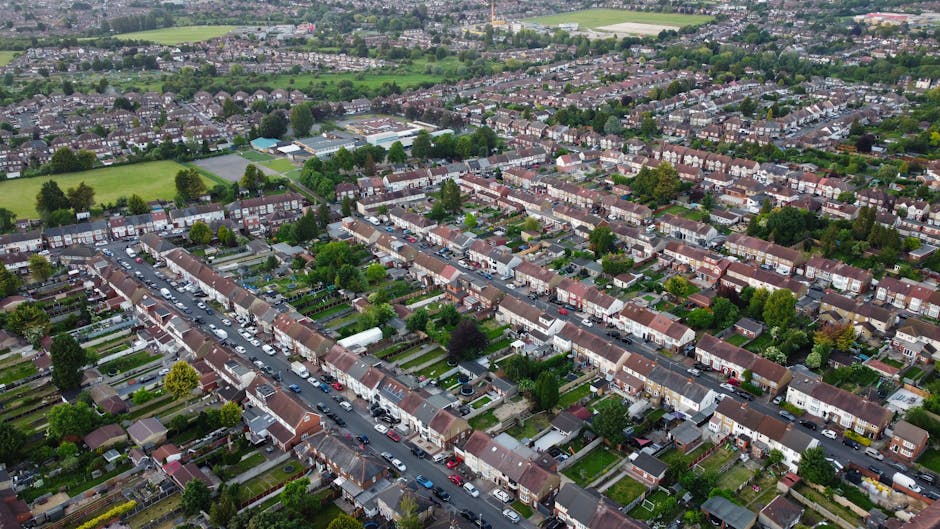
Guide to clearing London Fields gardens and green waste
If your garden in or around London Fields has started to feel more like a holding area for branches, hedge cuttings, soil bags, broken pots, and a few mystery items you meant to deal with last month, you are not alone. A proper Guide to clearing London Fields gardens and green waste should do more than tell you to "tidy up." It should help you plan the job, separate waste sensibly, avoid unnecessary trips, and make sure everything is removed in a way that is safe, efficient, and environmentally responsible.
This guide walks through the process from start to finish. You will learn what counts as green waste, how garden clearance usually works, what to do before a clearance crew arrives, and how to choose the right approach for your space. It also covers practical risks, recycling expectations, and a few local considerations that matter in a busy urban setting like London Fields, where access, timing, and neighbours can make a real difference.
Whether you are clearing a small courtyard, a shared rear garden, a rental property, or an overgrown space that has got away from you a bit, the aim is the same: remove waste cleanly, protect the property, and leave the area ready to use again.
For readers who want a broader service overview, the garden clearance service page is a useful starting point, and the site's recycling and sustainability information explains how responsible disposal is approached.
Table of Contents
- Why garden and green waste clearance matters
- How the clearance process works
- Key benefits and practical advantages
- Who this is for and when it makes sense
- Step-by-step guidance
- Expert tips for better results
- Common mistakes to avoid
- Tools, resources and recommendations
- Law, compliance, standards, and best practice
- Options, methods, and comparison
- Case study or real-world example
- Practical checklist
- Conclusion
- Frequently asked questions
Why garden and green waste clearance matters
Garden waste does not stay harmless for long. Left piled up, it can attract pests, hold moisture against fences and walls, block access paths, and make a well-kept garden feel neglected in a matter of weeks. In a place like London Fields, where outdoor space is often compact and shared boundaries are close together, clutter builds visual and practical problems quickly.
There is also a broader point: green waste is not the same as general rubbish. Grass cuttings, hedge trimmings, leaves, branches, weeds, and plant matter can usually be handled differently from mixed household waste. That matters because separating waste properly can improve recycling outcomes and reduce the amount sent for disposal. A responsible clearance plan makes the job easier and often cleaner from start to finish.
For landlords, letting agents, and property managers, a neglected garden can affect kerb appeal and move-in readiness. For homeowners, it may simply be about getting the space back for family use, entertaining, or planting season. And for tenants, a tidy outdoor area can help meet the condition expected at the end of a tenancy without turning the final week into a marathon of bin bags and wheelbarrows.
Practical takeaway: the earlier you sort garden waste, the easier it is to separate, move, recycle, and remove without damage or hassle.
How garden and green waste clearance works
Most garden clearance jobs follow a straightforward pattern, but the best outcomes come from a little preparation. The process usually starts with an assessment of the site: what needs removing, how much waste there is, whether access is tight, and whether any items need to be handled separately. That could include soil, old timber, fencing offcuts, garden furniture, broken planters, or compostable green waste.
In practical terms, the work often falls into three categories:
- Green waste such as leaves, grass, shrubs, hedge cuttings, weeds, and smaller branches.
- General garden junk such as pots, bags, broken tools, torn plant supports, and worn-out coverings.
- Bulk or mixed items such as sleepers, soil, fencing panels, sheds, or old outdoor furniture.
Some waste can be recycled or composted, while other items need separate disposal. That is why a site visit or clear photos can be so useful. It helps avoid the classic "it looked smaller online" situation. To be fair, gardens have a talent for hiding volume.
Where access is straightforward, a crew can remove waste directly from the garden to the vehicle. Where access is awkward, careful planning becomes more important. Narrow side passages, shared entrances, basement courtyards, and first-floor terrace gardens can all change the method. That is one reason a professional service such as waste removal can be more efficient than trying to handle every load yourself.
If the job includes heavy or awkward items, it may overlap with services like garage clearance or even house clearance, especially where the garden has become a storage point for everything that no longer fits indoors.
Key benefits and practical advantages
A well-run garden clearance gives you more than a tidy lawn. It restores usable space, reduces risk, and makes future maintenance easier. The benefits are especially clear when the garden has been neglected for a while or when you are preparing for property photography, a tenancy handover, or a renovation project.
- Better use of space: cleared paths, borders, and lawns are easier to maintain and enjoy.
- Less physical strain: removing bulky waste in one organised visit is often easier than many small trips.
- Cleaner finish: a good clearance leaves less mess behind than a rushed do-it-yourself approach.
- Improved safety: broken glass, rusty metal, nails, and unstable stacks can be removed before they cause accidents.
- More responsible disposal: green waste can be separated for recycling or composting where appropriate.
There is also a timing advantage. Clearing a garden before peak growing season means maintenance becomes much simpler. Clearing it before moving out, an inspection, or a sale can make the entire property feel more cared for. That first impression matters more than people sometimes admit.
For jobs involving damaged outdoor items as well as greenery, it can help to review furniture disposal and furniture clearance, especially if the garden contains old tables, chairs, benches, or storage units that are no longer safe to keep.
Who this is for and when it makes sense
This type of clearance is useful for a wide range of people. It is not just for major overhauls or completely overgrown gardens. In fact, a lot of garden waste jobs are modest in scale but awkward in practice.
- Homeowners who want to reset a garden after months of growth, storm damage, or a DIY project.
- Landlords and agents preparing a property for new tenants or inspections.
- Tenants who need to clear outdoor waste before moving out.
- Families reclaiming a play area, patio, or seating space.
- Trades and landscapers who need reliable clearance after work has finished.
- Businesses and shared premises with outdoor courtyards or planted areas that need regular upkeep.
It makes sense when the waste is too much for a standard garden bin, too awkward for ordinary household collection, or too time-consuming to shift in multiple small loads. It also makes sense when you want the job finished in one visit rather than slowly losing weekends to black bags and sawdust.
If the property is being emptied alongside other contents, a combined approach may be better. A home clearance or flat clearance can sometimes be coordinated with the garden work, especially in terraced homes or flats with outdoor access.
Step-by-step guidance
If you want to clear a London Fields garden efficiently, structure helps. The following process keeps things practical and avoids last-minute confusion.
1. Walk the space and separate the waste
Start with a slow walk around the garden. Identify what is green waste, what is general rubbish, and what is reusable or recyclable. This is the stage where you decide whether the job is a simple cut-and-clear or a more involved clearance with mixed materials.
Look for hidden extras too: undergrowth that conceals rubble, old timber, broken edging, and forgotten pots. A small patch of weeds can hide a surprising amount of debris.
2. Remove any hazards first
Before moving waste, check for glass, nails, sharp metal, rotten wood, or unstable stacks. If there are heavy branches or slippery surfaces, deal with those early. Safety matters, especially where children, pets, or neighbours may pass through shared access points.
3. Cut and gather green waste
Trim larger growth into manageable sections, then gather clippings, leaves, and loose material into piles or bags. Keeping the waste organised makes loading easier and helps with separation. If the garden includes dense shrubbery or a lot of trimmings, it can be worth using strong sacks or bulk bags rather than overfilling standard bin liners.
4. Sort non-green items separately
Old plant pots, broken tools, timber, metal frames, and outdoor furniture should be kept apart from compostable waste. Mixed loads can complicate recycling and may cost more to handle. If you are unsure whether an item belongs in a green waste stream, separate it and ask before loading.
5. Load efficiently and protect access routes
Lay out the route from garden to vehicle. In tight Hackney streets, access planning can save more time than people expect. Protect floors and narrow passages where needed, and keep bags manageable rather than overstuffed. Good loading is quiet, orderly work; nobody ever won a prize for a dramatically collapsing bag of nettles.
6. Sweep and final-check the area
Once the main waste is gone, sweep hard surfaces, check corners, and inspect for missed cuttings. This final pass is what turns a clearance into a proper finish. If you are preparing for handover or a viewing, it is worth being meticulous.
7. Confirm disposal and recycling route
Ask how the waste will be handled. A reputable operator should be able to explain whether the material is sent for recycling, composting, or other appropriate treatment. Transparency here is a useful sign of professionalism. If sustainability matters to you, the company's recycling and sustainability approach is worth checking before you book.
Expert tips for better results
In our experience, the difference between a decent clearance and a smooth one usually comes down to preparation and sorting. A few practical choices can save time, money, and frustration.
- Take photos before booking. This helps with estimating volume and identifying awkward items.
- Separate green waste from mixed waste early. It makes loading faster and disposal cleaner.
- Leave access clear. Move bikes, planters, and bins out of the route before the team arrives.
- Be realistic about volume. Bagged waste can still occupy far more space than expected.
- Plan around weather. Wet clippings and soggy leaves are heavier and harder to move.
- Think about the final use of the garden. A family play space, a low-maintenance patio, and a planting bed all need different finishing touches.
A useful rule of thumb: if you are hesitating over whether to keep, compost, repair, or remove something, make the decision before the clearance starts. That one step prevents re-handling piles later. It also reduces the temptation to create "temporary" piles that somehow live in the corner for six months.
If the job forms part of a larger property project, you may also benefit from reviewing builders waste clearance, particularly where the garden has been affected by landscaping, paving, or structural work.
Common mistakes to avoid
Garden clearance sounds simple until the small mistakes start adding up. The good news is that most problems are preventable.
- Mixing everything together: green waste, timber, rubble, and household rubbish should not all go in one pile if you want efficient removal.
- Underestimating access issues: narrow gates, steep steps, and shared hallways can slow the job if not planned for.
- Ignoring weight: wet soil and cuttings are much heavier than they look.
- Forgetting hidden waste: under hedges and behind sheds, you may find old materials that need separate disposal.
- Waiting until the garden is unmanageable: very large overgrowth usually takes longer and costs more to handle.
- Choosing the cheapest option without checking what is included: clarity on loading, disposal, and recycling matters more than a low headline figure.
One common problem in London Fields properties is simply not leaving enough room for staging. If waste is piled at the back of a narrow garden, every bag may need to be handled twice. That is avoidable with a little forethought.
When cost and convenience both matter, it can help to compare a professional clearance with a more piecemeal DIY approach. The next section shows how those options differ in practice.
Tools, resources and recommendations
You do not need a van full of specialist gear to clear a garden, but the right basic tools make the work safer and more efficient. For smaller jobs, these are usually enough:
- heavy-duty garden sacks or rubble sacks for mixed light waste
- gloves with decent grip
- secateurs, loppers, or pruning shears for cuttings
- a rake and stiff broom
- a tarp or sheet for dragging light debris
- dustpan, shovel, and wheelbarrow for soil and smaller fragments
- eye protection if there is overgrowth or flying debris
For information and service planning, these pages can be useful:
- pricing and quotes if you want a clearer idea of how costs are assessed
- contact the team if you need to discuss access or unusual waste
- about the company to understand the approach and service focus
- insurance and safety for reassurance around responsible working practices
If you are comparing clearance with ongoing maintenance, it is worth remembering that clearance solves the backlog, while maintenance prevents it returning. The ideal setup is usually a one-off reset followed by regular, manageable garden care. That is the cleanest way to avoid another summer of "I'll deal with it next weekend."
Law, compliance, standards, and best practice
Garden waste removal in the UK is generally shaped by waste-duty-of-care principles, environmental best practice, and common-sense site safety. Rather than treating garden debris as "just waste," it is better to handle it in a way that supports recycling, minimises nuisance, and avoids improper dumping.
For householders and businesses, the key points are simple:
- Waste should be passed to a legitimate carrier or disposal route.
- Different waste streams should be separated where practical.
- Potentially hazardous items should be identified and handled carefully.
- Access routes should be kept safe for workers, residents, and neighbours.
On the practical side, professional operators should work with appropriate insurance, clear pricing terms, and sensible safety procedures. If you are booking a service, it is reasonable to ask how they approach lifting, loading, access protection, and disposal. Those questions are not fussy; they are sensible.
For business premises, shared buildings, or managed properties, you may also need to think about internal procedures and record-keeping. In those cases, a general business waste removal service or structured property clearance plan may be more appropriate than a one-off ad hoc load.
If you want to review the provider's operating standards in more detail, the pages on health and safety and terms and conditions are helpful reads before booking.
Options, methods, and comparison
There is more than one way to deal with garden and green waste. The right choice depends on volume, access, time, and whether the waste is pure green material or mixed with other items.
| Method | Best for | Strengths | Limitations |
|---|---|---|---|
| DIY bagging and tip trips | Very small clear-outs | Low direct cost if you already have transport | Time-consuming, heavy lifting, multiple journeys |
| Skip hire | Larger projects with mixed waste | Flexible for bulky jobs and staged loading | Space needed, permit considerations, sorting may still be required |
| Professional garden clearance | Quick, tidy removal of garden waste | Fast turnaround, labour included, less hassle | Cost varies with volume, access, and waste type |
| Composting and local reuse | Clean, compostable green material | Environmentally efficient, low disposal impact | Not suitable for mixed or contaminated waste |
For a small urban garden, professional clearance is often the simplest route because the labour, transport, and disposal are bundled together. For very light green waste, composting can be ideal if you already have the setup and the volume is manageable. Skip hire can make sense for bigger mixed projects, but it is not always the neatest solution if access is tight.
In many London Fields homes, the best choice is a hybrid one: separate the clean green waste, remove bulky mixed items through a clearance service, and retain a small amount of compostable material if you genuinely have the space and plan to use it.
Case study or real-world example
Consider a typical rear garden behind a terraced property near London Fields: the lawn is covered in cuttings after a long delay, a hedge has overgrown onto the path, there are two broken planters, a collapsed plastic storage box, and a small pile of old branches by the fence. Nothing dramatic, but enough to make the garden feel unusable.
The most efficient approach would usually be to:
- cut back the hedge and collect the trimmings first
- separate the branches from the soft green waste
- remove the broken plastic items and planters as mixed waste
- sweep the path and check corners for hidden debris
- load the waste in a way that avoids repeated handling
The result is not just a cleaner garden. It is a more usable space with a clearer boundary, safer access, and a smaller chance of the waste reappearing in the wrong place. That kind of clear-out is common, and the lesson is simple: the waste is rarely the problem on its own; the disorder is.
For properties where the garden clearance is part of a larger move or reset, related services such as loft clearance or garage clearance can sometimes be scheduled at the same time to keep the overall project efficient.
Practical checklist
Use this checklist before the clearance starts.
- Walk the garden and identify all waste types.
- Separate green waste from timber, metal, plastic, and general rubbish.
- Check access routes, gates, steps, and shared entrances.
- Move vehicles, bins, bikes, and obstacles out of the way.
- Identify any sharp, heavy, wet, or awkward items.
- Decide what should be removed, recycled, kept, or composted.
- Take photos if you want an estimate or want to show access conditions.
- Confirm the disposal approach and any special handling needs.
- Protect indoor floors or hallways if waste must pass through them.
- Do a final sweep once the clearance is complete.
Expert summary: the cleaner the sort-out before collection, the smoother the clearance on the day. A little preparation usually pays for itself in time saved and fewer surprises.
Conclusion
Clearing a garden in London Fields is rarely just about moving leaves and branches. It is about reclaiming space, reducing risk, making disposal more responsible, and turning a messy outdoor area back into something useful. The best results come from separating waste early, planning access properly, and choosing a disposal method that fits the actual job rather than the idealised version of it.
If you are dealing with a modest tidy-up, a major overgrowth, or a mixed garden clearance with bulky items, a structured approach will save time and usually produce a better finish. And if the job feels bigger than a weekend, that is often the right moment to bring in experienced help rather than wrestling with it alone.
Get a free quote today and see how much you can save.
If you are ready to arrange a clearance or want advice on the right service, start with the contact page or review pricing and quotes for the next step.
Frequently Asked Questions
What counts as green waste in a London Fields garden clearance?
Green waste usually includes grass cuttings, leaves, hedge trimmings, weeds, small branches, and other plant material. It does not normally include broken furniture, plastic planters, timber offcuts, or general household rubbish, so sorting matters.
Can garden waste be recycled?
Often, yes. Clean green waste is commonly suitable for composting or other recycling routes, depending on the service and the material involved. Mixed or contaminated waste is harder to recycle, which is why separation helps.
Do I need to bag the waste before collection?
Not always, but bagging or bundling waste can make loading faster and keep the site tidier. For larger branches, loose stacking may be more practical. The best method depends on the volume and access.
How do I know whether my garden job is too big for DIY?
If the waste is bulky, wet, awkward to carry, or spread across a tight access route, DIY can become slow and physically demanding. If you would need several vehicle loads or multiple heavy bags, professional clearance is often more efficient.
What if the garden contains old furniture as well as green waste?
That is common. Old chairs, benches, tables, and storage items can be handled separately through services such as furniture clearance or furniture disposal, alongside the garden waste.
How long does a typical garden clearance take?
It depends on size, access, and waste type. A small tidy-up may be completed quickly, while a more overgrown or mixed-waste garden can take much longer. The simplest way to judge timing is to assess the volume and the route out of the property.
Is a skip always the best option for garden waste?
Not necessarily. Skips are useful for larger or mixed projects, but they need space and sometimes permissions. For many London gardens, a direct clearance service is neater and easier because the loading and disposal are handled for you.
What should I ask before booking a clearance company?
Ask what is included, how waste is sorted, whether recycling is prioritised, how access is managed, and whether the company has appropriate insurance and safety procedures. These basics tell you a lot about the service quality.
Can I combine garden clearance with other property clearance work?
Yes, and that often makes sense. Many people combine outdoor work with home clearance, house clearance, or flat clearance when they want a full reset of the property.
What is the main mistake people make with garden waste?
The biggest mistake is underestimating volume and mixing waste types together. A pile that looks manageable can become awkward once it is wet, compacted, or combined with heavier debris. Sorting early avoids a lot of unnecessary work.
Are there any safety concerns I should think about?
Yes. Sharp tools, broken glass, rotting wood, hidden nails, and unstable piles can all cause injuries. Wet surfaces and overgrown paths can also be slippery. That is why a careful walkthrough before lifting anything is a smart habit.
Where can I find more information about the service provider's standards?
You can review pages such as health and safety policy, insurance and safety, and about us for a clearer picture of how the service is run.