Hackney Council bulky waste rules: what landlords must know
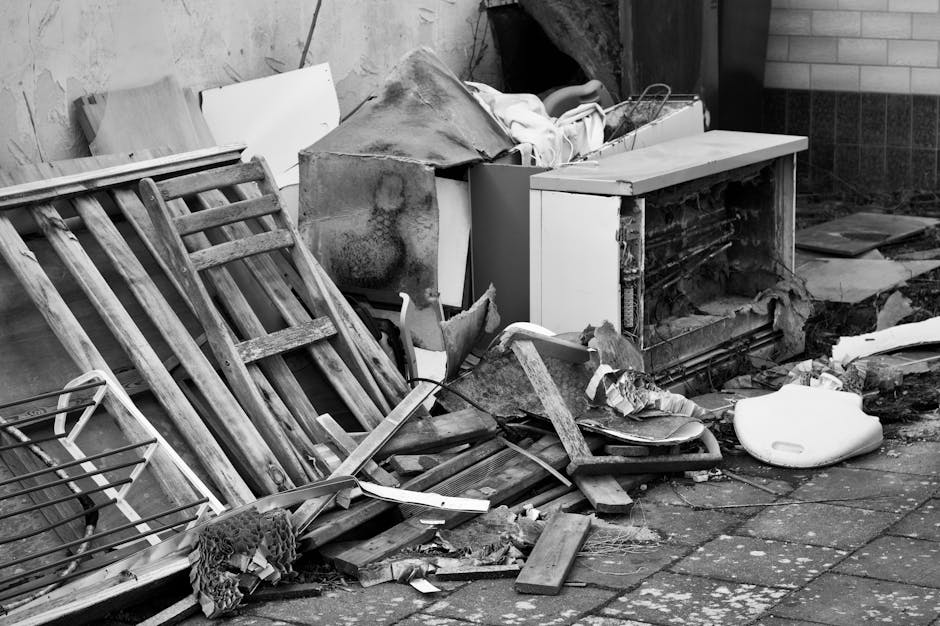
If you rent out property in Hackney, bulky waste can become one of those awkward little problems that grows legs. A sofa left behind after a tenancy ends, a broken wardrobe dumped in the hallway, a mattress leaning against the front railings - suddenly you are dealing with council expectations, tenant behaviour, building access, and the simple fact that it all has to go somewhere. This guide on Hackney Council bulky waste rules: what landlords must know is designed to help you stay organised, avoid unnecessary hassle, and make better decisions when a property needs clearing.
To be fair, most landlords do not set out to mishandle waste. It usually happens at the edges of tenancy changeovers, refurbishments, or when a flat is being turned around in a hurry. But bulky waste is one of those areas where a small oversight can become a bigger cost later. So let's break it down in plain English, with the practical angle front and centre.
Why Hackney Council bulky waste rules: what landlords must know Matters
Bulky waste is not just "stuff that does not fit in the bin". In landlord terms, it usually means larger household items such as sofas, beds, wardrobes, tables, chairs, white goods, carpets, and other awkward items that need proper removal. In Hackney, the practical issue is not only where those items go, but who is responsible for arranging the removal, what counts as acceptable presentation, and how quickly the property needs to be made ready for re-let.
Why does this matter so much? Because emptying a property is rarely just about clearing space. It affects void periods, redecoration schedules, safety, access for contractors, and even the impression a new tenant gets on day one. A flat with leftover furniture or fly-tipped junk has a very different feel from one that is clean, open, and ready. The first smell you notice when you walk in matters more than people admit.
Landlords also need to think about accountability. If a tenant leaves a pile of bulky waste behind, the issue does not always solve itself. If items are left on the pavement, in communal areas, or next to the refuse store, the property can attract complaints fast. That means neighbours, managing agents, and sometimes the council getting involved. Nobody wants that email on a Monday morning.
There is also a financial angle. Improper disposal can mean delays, extra labour, wasted van runs, and avoidable charges. For portfolio landlords, these small inefficiencies stack up over time. One missed clearance can turn into a messy rota of clean-up jobs, and that is rarely where your time is best spent.
Expert summary: For Hackney landlords, bulky waste is less about "getting rid of old furniture" and more about managing turnaround speed, access, responsibility, and compliant disposal without upsetting tenants or neighbours.
How Hackney Council bulky waste rules: what landlords must know Works
At a practical level, bulky waste handling usually follows a simple logic: identify the items, decide who is responsible, choose a lawful disposal route, and make sure the waste is collected or removed safely. In real life, though, the process can be a bit more fiddly than that. Shared entrances, basement flats, controlled parking zones, narrow stairwells, and short turnaround windows can all complicate things.
Most landlords will encounter one of three scenarios:
- End-of-tenancy leftovers - where furniture or miscellaneous junk has been abandoned by the outgoing tenant.
- Landlord-led refurbishment waste - where the property owner is replacing furniture, carpets, or contents before reletting.
- Communal or shared-property waste - where bulky items appear in hallways, bin stores, gardens, or front areas and need fast removal.
Depending on the situation, the method may differ. A single mattress is not the same as a full flat clearance. A few unwanted chairs are not the same as builders' debris after a strip-out. That distinction matters, because choosing the wrong route often means delays or extra handling.
For landlords who manage furnished lets, one practical option is to coordinate clearance alongside a broader property reset. That might involve flat clearance for a compact rental unit, or house clearance where a larger family property needs a fuller clean-out. If you are dealing with older furniture that is no longer usable, furniture disposal and furniture clearance are often the most direct routes.
And yes, some jobs are simpler than others. A single broken sofa on the ground floor is one thing. A top-floor flat with no lift, a tight staircase, and a rain-soaked mattress is another story entirely. You know the type.
Key Benefits and Practical Advantages
Getting bulky waste management right is not just about staying tidy. It has some very real advantages for landlords and letting agents.
- Faster void turnaround - the property can be cleaned, photographed, and re-let sooner.
- Better tenant experience - a clear, well-presented home feels cared for, which matters more than landlords sometimes realise.
- Reduced risk of complaints - no piles on the pavement, no blocked communal access, fewer neighbour issues.
- Safer working conditions - fewer trip hazards for cleaners, decorators, and inspectors.
- More predictable costs - planned removal usually works out better than last-minute panic clearances.
- Improved compliance culture - good waste habits help protect your wider property management standards.
There is also a less obvious benefit: better decision-making. Once a landlord has a clear process for bulky waste, they stop improvising. That alone saves a surprising amount of stress. Truth be told, the biggest gain is often peace of mind.
If your property portfolio includes mixed-use or small business premises, the same thinking can help you keep standards consistent across settings. In those cases, business waste removal may also be relevant, especially where waste is generated by offices, landlords' workspaces, or commercial units.
Who This Is For and When It Makes Sense
This topic is most relevant for:
- private landlords with one or more rental properties in Hackney
- build-to-rent operators and block managers
- letting agents handling tenancy end-of-term clean-ups
- probate or inherited-property handlers working on a clearance
- property investors preparing units for sale or refurbishment
- managing agents overseeing shared spaces and communal waste issues
It makes sense to think about bulky waste rules whenever a property changes hands, gets refurbished, or develops a pile-up of abandoned items. That includes the obvious moments, like a tenant moving out, but also the less obvious ones: an old freezer in the shed, a broken desk in the hallway, a mattress in the garden, or a stack of furniture left in the loft after a clearout.
For some landlords, the work is not just about one property either. If you manage several homes, using a consistent process keeps the whole thing calmer. If you prefer to have one dependable workflow for mixed clearances, it can help to compare home clearance with garage clearance or loft clearance so you can match the service to the actual job. That sounds basic, but in practice it avoids a lot of wasted effort.
Step-by-Step Guidance
If you are trying to handle bulky waste properly as a Hackney landlord, a simple process helps. Here is a sensible way to approach it.
- Inspect the property carefully. Walk through every room, outdoor space, storage cupboard, loft, cellar, and communal area. Items are often hidden in plain sight.
- Separate what can stay from what must go. Decide whether items are reusable, repairable, recyclable, or disposal-only. It is amazing how often this step gets rushed.
- Check responsibility. Was the item left by the tenant? Is it landlord-owned? Is it in a shared area? Responsibility affects the next move.
- Make the waste accessible. If collection is arranged, clear access routes, move items to a sensible point if safe to do so, and remove anything that might block the exit.
- Choose the right clearance method. A single item may suit a smaller removal; a full property reset may need a fuller service.
- Keep records. Photographs, tenancy notes, and simple job records help if there is later a dispute about what was left behind.
- Book removal with enough time. Leaving it to the last day often creates a scramble. Very few good things happen during a scramble, let's face it.
- Confirm disposal expectations. Ask how items will be handled, whether recycling is prioritised, and whether heavy lifting or stair carries are included.
If you are unsure how to schedule the job around a move-out or refurbishment, a broader service such as waste removal can be the cleanest all-round option. It is especially useful where mixed waste streams are involved and the property needs a quick reset.
One small but important note: do not assume that all bulky items can just be left in a communal bin area and sorted out later. In busy Hackney streets, that can create a nuisance very quickly. And once it is outside, it tends to become everyone's problem.
Expert Tips for Better Results
After dealing with a fair few landlord clearances, a pattern emerges. The smooth jobs usually share the same habits.
- Plan around tenancy changeovers early. Book the clearance before you book decorators if possible. It keeps the sequence clean.
- Be strict about what counts as reusable. A worn sofa with a broken frame is usually not worth storing "just in case".
- Use photographs before and after. They are useful for records and surprisingly helpful when multiple contractors are involved.
- Think in zones. Front room, rear room, loft, shed, garden. Breaking the property into zones prevents missed items.
- Check access realistically. A clear stairwell and a clear front path can save an entire job from becoming awkward.
- Ask about recycling. Responsible clearance should not be treated as an afterthought. If you care about the reputation of the property, that matters.
There is also a planning tip that saves headaches: if you know a property regularly turns over with furniture left behind, build the clearance cost into your void budget. It sounds boring. It is boring. But it works.
Where the clearance includes reusable furniture, or where you want a more structured approach to item sorting, a provider with a clear disposal process and a visible sustainability stance can be useful. For example, you may want to review recycling and sustainability alongside your chosen removal method, especially if you are trying to reduce waste sent for disposal.
Common Mistakes to Avoid
Most bulky waste problems are not caused by one huge mistake. They come from a string of small assumptions. The classic ones are easy to spot once you know them.
- Leaving clearance too late. This is the big one. A rushed job is usually a more expensive job.
- Assuming the tenant will handle everything. Sometimes they will. Sometimes they will not. You still need a plan.
- Using the wrong service type. A furniture-only job is not the same as a full clearance or mixed waste removal.
- Blocking access with waste bags or loose items. That creates safety and liability issues very quickly.
- Forgetting shared areas. Communal hallways, gardens, and bin stores often hold the awkward leftovers.
- Not checking the final condition. A quick end-of-job sweep can save a second visit. It is tedious, yes, but worth it.
- Overlooking items in storage spaces. Lofts, garages, and sheds are the usual hiding places.
Another mistake is treating bulky waste like a one-off nuisance rather than part of property operations. Once that mindset changes, landlords tend to make better decisions. Fewer surprises, fewer arguments, fewer "can someone just sort this out?" moments at the end of the day.
Tools, Resources and Recommendations
You do not need a complicated toolkit, but a few practical resources help a great deal.
- Property inventory records to identify what was already in the home.
- Move-in and move-out photos to show item condition and location.
- Tenancy checklists so nothing gets missed at handover.
- Waste planning notes for repeat properties or portfolio sites.
- A clear contractor brief explaining what needs removing, access restrictions, and any timing issues.
For landlords who want to compare clearance options, these service pages can help you match the job properly: furniture clearance for mixed household furnishings, flat clearance for compact rental units, and house clearance where the whole property needs attention.
If you are dealing with a property that has additional clutter in storage areas, loft clearance or garage clearance may be more accurate than a general removal. Matching the wording to the work keeps quotes clearer and reduces misunderstandings. Simple, but very handy.
Law, Compliance, Standards, or Best Practice
Bulky waste handling sits within wider UK waste and landlord responsibility expectations, so the main rule is straightforward: waste should be stored, moved, and disposed of responsibly, with care for safety and local conditions. For landlords, the legal and practical concern is not just the waste itself, but the effect it has on the property, neighbours, and anyone who has to handle it.
Best practice usually includes:
- keeping waste out of shared walkways and exits
- arranging removal promptly after tenancy end or refurbishment
- using an appropriate, insured contractor where professional clearance is needed
- retaining records where there is a tenant dispute or a property management audit trail
- separating reusable items from waste where feasible
In a London borough like Hackney, communal living and tight access make standards matter even more. One mattress wedged in a stair core can cause more friction than people expect. So, while the paperwork side is important, the day-to-day reality is usually about preventing nuisance and keeping the property safe to use.
If you work with contractors, it is wise to check their approach to safety and insurance as part of your due diligence. A careful operator should be able to explain how items are lifted, loaded, and handled. For landlords, that can be especially relevant in narrow stairwells or older buildings where damage risk is higher. You can also review health and safety policy and insurance and safety as part of your wider procurement process.
Not every job needs a heavy formal process, of course. But when the property is busy, occupied, or part of a block, best practice starts to look a lot like common sense with better records.
Options, Methods, or Comparison Table
Landlords usually have a few ways to handle bulky waste. The right one depends on how much needs removing, how quickly it must be done, and whether access is awkward.
| Option | Best for | Pros | Watch-outs |
|---|---|---|---|
| Council-style bulky waste arrangement | Occasional larger household items | Simple in principle, suitable for straightforward loads | Can be less flexible on timing and collection details |
| Private waste removal | Fast turnaround, mixed items, access issues | More flexible, often better for urgent landlord jobs | Costs vary, so clarity on scope matters |
| Full property clearance | End-of-tenancy resets, probate, hoarded or heavily furnished homes | Efficient for bigger jobs, reduces coordination time | Needs a clear brief to avoid missed items |
| Item-by-item disposal | Small, limited clear-outs | Useful when only a few items remain | Can become inefficient if the list keeps growing |
For many landlords, private clearance becomes the practical choice because it can be timed around cleaners, painters, locksmiths, and inventory clerks. It is not always the cheapest on paper, but on a tight turnaround it often proves better value. Time is money, and in property management that is not just a slogan.
Case Study or Real-World Example
Here is a realistic example from the sort of situation landlords in Hackney run into all the time.
A landlord has a two-bedroom flat let on a furnished basis. The tenants move out on Friday, and the inventory clerk visits the following morning. The living room sofa is damaged, a dining table is missing a leg, there is an old mattress in one bedroom, and the hallway has three large bags of mixed belongings. The cleaner can work only after the waste is gone, and the decorator is booked for Monday. Tight, right?
The landlord has two choices. They can try to sort the items piecemeal, making several calls and multiple trips. Or they can arrange one coordinated clearance visit, remove the bulky waste in one go, and keep the flat ready for the next stage. In this kind of job, the second option nearly always works better.
What made the difference here was not just removal speed. It was sequencing. Once the clearance was done, the cleaner could finish properly, the decorator could start on time, and the landlord could get fresh photographs taken without furniture cluttering the rooms. One small operational decision, and the whole turnaround felt less chaotic.
That is the thing with bulky waste. It rarely exists in isolation. It sits inside a chain of property tasks, and if you interrupt that chain, everything slows down. Annoying, but true.
Practical Checklist
Use this checklist before arranging bulky waste removal for a Hackney rental property.
- Confirm which items are staying, moving, or being discarded.
- Check lofts, gardens, sheds, cupboards, and communal areas.
- Take before photos for records.
- Identify any access problems: stairs, permits, parking, security doors.
- Separate reusable items from true waste where practical.
- Decide whether you need a single-item collection, furniture clearance, or full property clearance.
- Confirm timing around cleaners, decorators, and inventory appointments.
- Make sure items are accessible and safe to move.
- Ask how items will be sorted, recycled, or disposed of.
- Keep the final record, invoice, or job note with your property file.
If you want the smoother route, it often helps to review service specifics before booking. For example, broader jobs may sit best under home clearance, while workplace or mixed commercial premises may be better served by office clearance. Different job, different expectations.
Conclusion
For landlords, bulky waste in Hackney is never just about getting rid of old stuff. It affects compliance, turnaround times, tenant experience, neighbour relations, and how smoothly the next stage of the property works. Once you have a simple system, the whole thing becomes much easier to manage.
The main takeaway is straightforward: inspect carefully, choose the right disposal route, keep access safe, and do not leave bulky items until the last minute. That one habit alone can save stress, money, and the sort of last-minute panic that makes everyone sound a bit too cheerful on the phone.
Get a free quote today and see how much you can save.
Handled well, bulky waste becomes just another part of good property management, not a recurring headache. And honestly, that is a relief for everyone involved.
Frequently Asked Questions
What counts as bulky waste for a landlord in Hackney?
Bulky waste usually means large items that do not fit into normal bins, such as sofas, beds, mattresses, wardrobes, tables, white goods, and similar household items. For landlords, it often includes furniture left behind after a tenancy ends.
Who is responsible for bulky waste left by a tenant?
Responsibility can depend on the tenancy terms, who owned the items, and what the move-out agreement says. In practice, landlords often need to arrange removal quickly so the property can be made ready, even if there is later a separate issue about costs or recovery.
Can landlords leave bulky waste in a communal hallway for collection?
Usually, no. Bulky items left in shared access routes can create safety issues, nuisance, and complaints. It is far better to keep the waste clear of exits and arrange removal in a controlled way.
Is furniture clearance the same as bulky waste removal?
They overlap, but they are not always identical. Furniture clearance is more specific, while bulky waste can include a wider mix of large items. If the job is mostly furniture, a furniture-focused service is often the cleaner fit.
What should I do if a tenant leaves a sofa and mattress behind?
Photograph the items, check the tenancy records, and arrange a prompt clearance. If the flat needs to be turned around quickly, it is usually better to treat it as part of the end-of-tenancy process rather than trying to deal with it in stages.
Do I need to sort recyclable items before arranging removal?
It helps, but it is not always practical to sort everything yourself. A good clearance process should still look for reuse and recycling opportunities where possible. The key is not to mix everything blindly and hope for the best.
What is the fastest option for a landlord clearance?
For many landlords, a private waste removal or full clearance service is the fastest option because it can be timed around access, cleaning, and refurbishment work. The best choice depends on the size and complexity of the job.
How can I reduce bulky waste issues in repeat tenancies?
Use a consistent move-out checklist, clarify what must be removed by the tenant, photograph each room, and budget for occasional clearance work. The properties that run smoothly tend to have boring systems. Boring systems are underrated.
Can bulky waste be linked with a full property clearance?
Yes. In fact, that is often the most efficient route when a property has multiple items across several rooms. A full clearance can be more practical than handling each item separately.
How do I know whether I need a flat clearance or a house clearance?
Think about the scale of the job. A single flat with leftover furniture and personal items is usually a flat clearance issue, while a larger property with multiple rooms, lofts, and storage areas may be better treated as a house clearance.
What records should a landlord keep after bulky waste removal?
Keep photographs, any inventory notes, the job summary, and the invoice or confirmation from the contractor. If a tenant disputes what was left behind, those records can be very useful later.
How do I make bulky waste collection easier in a block of flats?
Plan access in advance, keep communal areas clear, notify relevant parties if needed, and book removal at a time that causes minimal disruption. In blocks with narrow stairwells or limited parking, good coordination makes a huge difference.